|
Laganidae
Agassiz, 1873,p.516
Genre type : Laganum
Link, 1807
Description succinte de la famille : Piliers
internes partitionnant le test sur son pourtour externe. Périprocte infère,
situé entre les premières et les secondes plaques post basicoronales paires.
Présence de sillons nourriciers.
|
|
|
|

 |
|
|
|
|
|
Sous-famille
Laganinae
Agassiz,
1873
description succinte :
Laganidae avec structure d'assules simples sur les ambulacres. Plaques
basicoronales en forme d'étoile, les plaques ambulacraires étant plus
longues. |
|
|
|
|
|

|
|
|
|
|
Genre
Laganum
Link,1807
Beschreibung der Naturalien-Sammlung der
Universität zu Rostock, p.161
Espèce type
Laganum petaloides
Link,1807 (par monotypie)
ibid.
Extension
stratigraphique (bibliographique,
non vérifiée) : Pliocène -
Actuel
Syn.
|
|
|
|
|
|
diagnose originale du
genre par Link, 1807 |
|
Beschreibung der Naturalien-Sammlung der
Universität zu Rostock, p.161 |
|
|
|
|
|
description du genre
sensu Cotteau |
|
Paléontologie française, Terrains tertiaires, tome 2, p.251 |
|
|
|
Genre LAGANUM,
Klein, 1734.
Laganum,
Klein, 1734 ; Gray, 1825, 1856 ; Agassiz, 1841 ; Agassiz et Desor,
1847 ; Herklots, 1854; Desor, 1857 ; A. Agassiz, 1873; Loven, 1874 ;
Pomel, 4883 ; Duncan, 1890.
Test de taille moyenne, subcirculaire, un peu allongé, plus ou moins
pentagonal, déprimé en dessus, souvent renflé sur les bords, plan en
dessous, subconcave aux approches du péristome. Aires ambulacraires
pétaloïdes, allongées, effilées, presque fermées à l'extrémité. Zones
porifères relativement étroites, formées de pores inégaux. A la face
inférieure, sillons ambulacraires simples, toujours distincts.
Tubercules petits, homogènes, épars, espacés sur la face supérieure,
plus serrés vers l'ambitus et dans la région inframarginale, un peu
plus gros et plus écartés aux approches du péristome. Granulation
intermédiaire fine, quelquefois un peu inégale. Péristome pentagonal,
subcentral, un peu rejeté en avant. Périprocte arrondi, petit,
inférieur, plus ou moins éloigné du bord. |
|
Appareil
apical muni de cinq pores ocellaires s'ouvrant sur le bord de la
plaque madréporiforme. Cinq petites plaques ocellaires. Intérieur du
test dépourvu de cloisons, présentant seulement quelques piliers
rapprochés de l'ambitus.
Rapports et différences.
- Le genre Laganum, établi par Klein dès 1734, a été adopté par
presque tous les auteurs. En 1857, Desor en a démembré les
Sismondia qui en diffèrent essentiellement par leurs aires
ambulacraires ouvertes à leur extrémité, par leur appareil apical muni
seulement de quatre pores génitaux et par leur cavité interne pourvue
de fortes cloisons.
Le genre Laganum, tel qu'il est aujourd'hui circonscrit,
renferme quelques espèces tertiaires et un assez grand nombre
d'espèces vivantes. Nous ne connaissons dans le terrain éocène de la
France qu'une seule espèce, L. Sorigneti.
|
|
|
|
|
description du genre
par Duncan, 1889 |
|
A
revision of the Echinoidea from the Australian Tertiaries, p.156 |
|
|
|
Genus Laganum.
Genus LAGANUM,
Klein, 1734, Nat. Disp. Ech.
edit. Paris, 1754, p. 92. Gray, 1825 (Lagana), Ann. Phil.
n. s. vol. x. p. 427. Agassiz, 1841, Monogr.
d'Ech.
viv. et foss. livr. 2, Les
Scutelles, p. 105. Gray, 1856, Cat. Rec. Ech. Brit. Mus.
p. 8. A. Agassiz, 1873, Revision, p. 516. Lovén,
Études, 1874, pp. 47, 83. J. Bell,
1883, Ann. Mag. Nat. Hist. vol. xi. ser. 5, p. 130. Duncan,
1885, Journ. Linn. Soc., Zool. vol. xix. p. 206, pl. 31. (Amended.)
Syn. Rumpltia, Desor, 1858; Polyaster, Michelin;
Michelinia, Duj. ; Peronella, A. Agassiz.
Test moderate in size and
large; subpentagonal or ovoid at the swollen or thin margin, truncated
posteriorly, longer ibn broad, very depressed dorsally, flat or
slightly concave activally.
Apical system small, more
or less stellate ; madreporite central, with or without a curved
furrow, into which enter a few waterpores ; genital pores four or
five, upon the flanks of the madreporite.
Ambulaera much larger than
the interradia, but with the petaloid parts rather narrow, moderately
long, nearly closed distally, plates simple ; poriferous zones with
minute simple porcs in a transverse row between the cousecutive large
pairs ; interporiferous areas with very numerous transverse rows of
pores for minute tentacles ; actinally and at the peristome is a short
groove, straight and perforate ; buccal pores large. A single
spheridium, covered, in each ambulacrum. |
|
Interradia narrow ;
abactinally the highest plate is single, and actinally the plates are
continuons, and the peristomial plate is single.
Peristome small, central,
polygonal, formed by ten ambulacral and five interradial plates. Jaws
well developed, with the teeth superior and more or less inclined.
'Perignathic processes single ; interradial, short, bent, placed
beyond the limits of the pyramids.
Periproct small,
inframarginal.
Pillars and partitions
only in concentric parallel series near the edge, within the test.
Tubercles and surrounding miliaries scattered, similar, usually
largest actinally. Spi nes short, dorsally cylindrical, slightly
swollen, larger, longer, and cylindrical actinally, many around the
neristome and periproct. Large slender tridactyle pedicellarire near
the petaloid parts of the ambulacra ; others with expanded tops on
projecting stalks very general.
Fossil. Tertiary : Europe, Asia, Java, N.'Africa (Egypt), N.
America.
Recent. East Indian
Islands, Philippines, Pacifie Islands, Japan, Persian Gulf, Red Sea,
Mauritius, Zanzibar, Australia, Tasmania, New Zealand.
|
|
|
|
|

|
|
|
| |
Laganum angulosum
Herklots,1854 |
|
|
|
|
|
diagnose originale de
l'espèce par Herklots, 1854 |
|
Fossiles de Java, description des restes fossiles d'animaux des terrains
tertiaires de l'île de Java, recueillis sur les lieux par M. Fr. Junghuhn,
4ème partie, échinodermes, p.8 |
|
|
|
Laganum angulosum, nouv.
esp. Pl. II. Fig. 4.
Catal. mus. n°. 457.
Petite espèce à contour décagonal, les côtés qui correspondent aux
aires interambulacraires antérieures de beaucoup plus grands que les
autres.
Le sommet est très haut; les bords n'étant que peu
renflés la dépression est légère.
Les pétales ambulacraires s'étendent au delà du
mi-bord; elles sont étroites, peu élargies près de la base, effilées à
l'extrémité et presque fermées.
Les quatre pores génitaux sont très grands et se
trouvent à l'extrémité de l'aire étroite interambulacraire.
La surface entière du test est couverte de granules
miliaires très serrés; en outre elle est parsemée de tubercules plus
gros, assez espacés, qui sont plus grands sur la face inférieure.
Celle-ci est profondément excavée. La distance de
l'anus au bord est plus grande que le tiers du rayon.
L'espèce est voisine du
Laganum Peronii d'Agassiz,
qui est si bien caractérisée par les pores génitaux considérablement
éloignés du sommet.
Dimensions: diamètre 22''' ; hauteur du sommet 5,5''',
du bord 1,5'''.
Localité: la partie intérieure de Tjidmnar. L.
Planche II
(extrait)
|
|
|
|
| |
Laganum angulosum
Herklots,1854
- Pliocène, Tainan, Taiwan, 41mm (à gauche) et 36 mm (à droite) |
|
|
|
|
|
|
|
|
|
|
|
|
| |
Laganum laganum
(Leske,1778) |
|
|
|
|
|
diagnose originale de
l'espèce par Leske,1778 |
|
Additamenta ad iacobi theodori Klein naturalem dispositionem echindermatum,
p.140 |
|
|
|
Ad §. 84. et 86. Species VIII. Echinodisfcus Laganum. Tab. XXII. a. b.
c.
Coniungo has duas Kleinianas fpecies. Nam icones commemoratae nullas
effentiales differentias offerunt, atque a pluribus Auctoribus pro vna
fpecie habentus, praeterea Cl.
van phelsvm figuram minorem T. XXII. c. Kleinianam ad
rvmphii Zeereal
refert, a quo feparat kleinivs
: vnde, fi vel nonnullae adfint differentiae, eas dubias et incertas
effe apparet. Differt autem E. Laganum
a prioribus fpeciebus.
Tefta integra, non perforata, ambulacris petaloideis fubtiliffime
ftriatis, vertice prominentiori, ano circulari, margini vicino.
Color teftae eft albo flauefcens, peripheria ouata fubpentagona. Os
obtufe pentagonum, anus vix lineae latitudine a margine diftat. In
bafi quinque radii excausti, ex ore ftellae inftar extenduntur,
bafinque in quique fere aequales areas diuidunt. Pars harum arcarum
media aliquantum eft excauata. In vertice prominentiore faepe foucola
imprefla eft, atque quinque formina ibi, inter ambulacra, patent.
Ambulacra funt oualia, apice fiffa ; pori ambulacrorum fobtilissima
tantum ftria, nudis oculis non cognofcenda, cohaerent. Granula totam
teftam obtegentia fimilia funt reliquarum fpecierum eminentiolis.
In ominibus fere, quae vidi, mufeis conferuatur.
linnevs hanc fpeciem non
commemorat.
An aldrov. muf.
metall. p. 457. figurae vltimae hanc fpeciem fiftant,
decernere non aufim : quamuis aliquo modo fimiles videantur.
bocc. obf. p.296.
vtrum figura fecunda dorfum huius fpeciei defcribat, an ad
Echinodifcum orbicularem (p.208.) referenda fit, dubito : interim
margo finuofus et ambulacra porofa, eam huic fpeciei adiungendam effe,
probant. |
|
rvmph. amb. T. XIV.
fig. E. p 36. Zeereal. Ambitus eius magis eft rotundus, quam
Kleinianae icones, interim finuofus ; diametro palmae latitudinem
aequat, marginibus tenuis, in media parte calami craffitiem habet,
colore albefcente, vel dilute cinereo eft. In ambulacris ftriae
transuerfae, poros connectentes cuidentius apparent, quam in noftra
fpecie. Caeterum eorum figura, oris anique fitus et figura cum noftra
conueniunt. Etfi itaque aliquo modo a noftra fpecie recedat, tamen hae
diuerfitates non tantae funt, vt diuerfam fpeciem indicent.
gvalt. teft. Tab. CX.
fig. C. C. Echinodifcus fubrotundus, margine integro, finuofo,
fubalbidus. gvaltiervs
commemorat bonan.
Claff. I. no. 33. fed in mea editione Claff. I. 20. numeros
tantum habet, neque vllibi haec fpecies indicatur.
sebae thef. III. Tab.
XV. fig. 25. 26. Echiniplani fcutiformis fpecies altera. Icones
bonae.
plot. n. b. of
Oxfordsh. p. 92. §.33. f. 12. Petrefactam hanc fpeciem haud dubie
indicat. In vertice funt quatuor impreffa puncta, eftque infloar rogae
foliorum diuifus : fubftantia eius lutefcens, non tamen lamellofa,
neque annulis inftructa eft.
plotivs radios ex duplici ordine transverfarium linearum
compofitos, exterioresque longiores effe et ad marginem lapidis
extendi perhibet, quod tamen in figura non apparet.
In mufeo Trieriano duo fpecimina petrefacti huius
Echinodifci bene conferuata, reperiuntur.
|
|
|
|
| |
Laganum laganum
(Leske,1778)
- Pliocène, Tainan, Taiwan, 39 mm |
|
|
|
|
|
|
|
|
|
|
|
|
|
|
Genre
Cenofibula
Gasser,1994
Un nouveau Clypeasteroide
de l'Eocene catalan, p.13-16
Espèce type
Cenofibula castriauliensis
Gasser,1994 (désignation
originale)
ibid.
Extension
stratigraphique (bibliographique,
non vérifiée) : Bartonien |
|
|
|
|
| |
Cenofibula castriauliensis
Gasser,1994 |
|
|
|
|
| |
Cenofibula
castriauliensis Gasser,1994
- Eocène moyen, Igualada, Barcelone, Espagne, 11 mm |
|
|
|
|
|
|
|
|
| |
Cenofibula
castriauliensis Gasser,1994
- Eocène moyen, Igualada, Barcelone, Espagne, 16 mm |
|
|
|
|
|
|
|
|
|
|
|
|
|
|
Genre
Jacksonaster
Lambert & Thiery,1914
Essai de nomenclature
raisonnée des échinides, p.313
Espèce type
Laganum depressum
Agassiz,1841 (désignation subséquente de
Lambert & Thiery,1914,
Essai de nomenclature raisonnées des échinides, p.313)
Monographies
d'échinodermes, des Scutelles, p.110
Extension
stratigraphique (bibliographique,
non vérifiée) : Miocène -
Actuel
|
|
|
|
|
|
|
|
|
| |
Jacksonaster
depressum
Agassiz,1841,
Pléistocène supérieur, Sud Hurghada, Egypte, 54 mm |
|
|
|
|
|
|
|
|
| |
Jacksonaster
depressum
Agassiz,1841,
Pléistocène, Egypte, 53 mm |
|
|
|
|
|
|
|
|
| |
Jacksonaster
depressum
Agassiz,1841,
Pléistocène, Jordanie, 46 mm |
|
|
|
|
|
|
|
|
| |
Jacksonaster
depressum
Agassiz,1841,
Plio - Pléistocène, Egypte, 23 et 16 mm |
|
|
|
|
|
|
|
|
|
|
|
|
|
|
Genre
Peronella
Gray,1855
Catalogue of the
recent echinida of sea eggs in the collection of the British Museum, p.13
Espèce type
Laganum peronii
Agassiz,1841 (désignation originale)
Extension
stratigraphique (bibliographique,
non vérifiée) : Pléistocène -
Actuel
Syn.
-
Lambertiella
Checchia Rispoli, 1917,
p.57 ; espèce type : Lambertiella pulchra
Checchia Rispoli, 1917
|
|
|
|
|
| |
Peronella archerensis
(Twichell,1915) |
|
|
|
|
|
diagnose originale de
l'espèce par Twichell,1915 |
|
The
Mesozoic and Cenozoic Echinodermata of the United States, p.161 |
|
|
|
Laganum archerensis
Twichell, n. sp.
Plate LXXV, figures 1a-d.
Determinative characters.—Test small, subpentagonal to
subdecagonal in marginal °titane. General form subdiscoidal, upper
surface very low, nearly parallel with lover surface, with a slightly
concave ring involving most of ambulacral petals between the faintly
tumid apical region and the notably thickened margin. Highest part of
test along anterior margin. Lower surface flat. Ambulacral petals
subelliptical, extending two-thirds the way to the margin, ends closed.
Apical system_ slightly excentric anteriorly, with four genital porcs
set unusually far apart. Peristome small, pentagonal, central;
ambulacral grooves simple, straight lines flanked by finely granulated
areas, the five constituting a peristomial star. Periproct small,
transversely suboval, about one-fourth the way from margin to
peristome.
Dimensions.—Length 18 millimeters ; width 16 millimeters;
height 3.5 millimeters.
Description.—Only a single specimen of this new Laganum lias
been discovered. It was found at Archer, Fla., whence the name here
given. The test is small, subpentagonal or subdecagonal iu marginal
outline. The whole form is greatly depressed; subdiscoidal, the upper
surface being practically parallel with the lower; the apical region
faintly tumid, the area between the apical region and the margin
slightly concave; the margin notably thick-ened, slightly less so
posteriorly than anteriorly. The lower surface is flat. The highest
part of the test is along the surface of the anterior margin, from
whence the upper surface slopes gently to the posterior margin, the
central tumidity being hardly any higher than the sicle margins.
The ambulacral petals are subelliptical, extending about two-thirds
the way to the margin, the larger part of each petal being depressed
so as to form a part of the concave ring on the upper surface, the
ends of the petals practically closed. The poriferous zones are rather
wide, about half as wide as the interporiferous areas, the proximal
ends poorly defined, the inner row of pores round, the outer row
slitlike, the pairs of pores conjugated.
The interambulacral areas are very narrow, especially at the margin,
where they are hardly more than one-third as avide as the ambulacral
areas. The whole surface of the test, including the interporiferous
areas and apical region, is covered with small tubercles set in deep
scrobicules, which are larger on the under surface. |
|
The apical system is slightly excentric anteriorly at the summit of
the faintly tumid central area. There are four large genital pores,
set unusually far apart, the anterior pair being neetrer together than
the posterior pair. The poriferous zones could not be seen to corne
together at the proximal ends, and the perforations in the radial
plates coulcl not be discerned on the specimen.
The peristome
is small, central, pentagonal. The ambulacral grooves each consist of
a central impressed hne and two narrow areas of fine granulation which
are bounded by faint lines; these grooves are quite distinct for a
short distance from the peristome, thus constituting a well-defined
peristomial star, they then become gradually less distinct, so that as
the margin is approached they can hardly be discerned.
The periproct is small, about half the diarneter of the peristome,
transversely suboval, about one-fourth the way from the margin to the
peristome.
Related forms.—L. archerensis is most closely related to
L. dalli, but can be easily distinguished by the concave ring
on its upper surface, by its narrower petals, its less depressed and
narrower poriferous zones, and by having its periproct doser to the
margin. It is also allied to L. floridanum, but lias a less
regularly oval marginal outliue and a larger petaloidal area. It (Mers
from L. crustuloides in being lower centrally, in having a
concave ring on its upper surface, and in having n flat lower surface.
Locality.—Archer, Fla.
Geologic horizon.—Vicksburg group, lower Oligocene.
Collection.—U. S. National Museum (164667a).
planche LXXV
(extrait)
|
|
|
|
|
Holotype, conservé
au Smithsonian National Museum of Natural History |
|
figuré in
twitchell in
Clark & Twitchell, 1915, Mesozoic and
Cenozoic Echinodermata of the United States, p.161 |
|
|
| Catalog Number: |
USNM MO 164667 A |
| Collection Name: |
Echinodermata Echinoidea Type |
| Scientific Name (As Filed): |
Laganum archerensis Twitchell in
Clark & Twitchell |
| Type Status: |
Holotype |
| EZID: |
http://n2t.net/ark:/65665/35aadb33d-d56f-4180-a18e-1248d178b06b |
|
|
|
|
|
|
|
| |
Peronella archerensis
(Twichell,1915) - Eocène
Moodys Branch Formation, Yankeetown, Floride, U.S.A., 20 mm |
|
|
|
|
|
|
|
|
| |
Peronella lesueuri
(Agassiz,1841) |
|
|
|
|
|
diagnose originale de
l'espèce par Agassiz,1841 |
|
Monographies d'échinodermes, Echinites, Famille des Clypéastroides, seconde
monographie, des Scutelles, p.116 |
|
|
|
VIII. Laganum lesueuri
Val.
Tab. 24, fig.
3-6.
C'est la plus grande espèce du genre ; elle atteint jusqu'à 5 1/2
pouces de longueur sur 5 pouces de large. La hauteur est peu
considérable, elle n'atteint pas même 1. pouce dans les plus grands
exemplaires. Le bord n'est point renflé comme dans les espèces du type
du Lag . Bonani, et par la même raison il n'existe point de
dépression entre ce dernier et le sommet. Le pourtour du test est
polygonal, et l'on remarque une espèce de troncature en face de chaque
ambulacre ; ensorte que si l'on voulait préciser rigoureusement les
contours du test, on trouverait qu'il est décagonal. Ces troncatures
ambulacraires sont toujours plus petites que la partie qui correspond
aux aires interambulacraires. Au rebours des espèces précédentes, le
côté antérieur est sensiblement plus large que le côté postérieur. Les
pétales ambulacraires se font remarquer par leur étroitesse, comparée
à la grandeur du test ; ils sont tout d'une venue, et, au lieu de
s'arrondir, ils sont comme tronqués à leur extrémité. L'espace
intermédiaire entre les zones porifères est plus large que ces zones
elles—mêmes. Les pores oviducaux sont très apparens , mais au nombre
de quatre seulement , situés à l'extrémité des rayons du corps
madréporiforme , qui affecte la forme d'une étoile à cinq rayons très
prononcés et échancrés à leur extrémité (voyez dans la fig. 6 , la
rosette apiciale grossie). Il m'a été impossible d'apercevoir les
trous ocellaires ; cependant je ne doute pas qu'ils n'existent dans
les sinus du corps madréporiforme , au sommet des ambulacres. La face
inférieure est complètement plane. L'ouverture buccale est centrale et
circulaire ; sur son pourtour se voient les tubes branchiaux qui ont à
leur extrémité plusieurs ouvertures plus ou moins distinctes (voyez
fig. 5 , qui représente la bouche grossie). La rosette buccale n'est
pas bien distincte ; quant aux sillons ambulacraires, ils sont très
marqués près du centre et criblés d'une quantité de pores
microscopiques , mais ils disparaissent vers le bord. Les aires
interambulacraires sont excessivement étroites à la face inférieure,
où elles se présentent sous la forme de bandes indistinctement
limitées ; c'est dans une de ces bandes que s'ouvre l'anus , qui est
très rapproché du bord. Sa forme est circulaire , mais il semble percé
obliquement de dehors en dedans. Une granulation très uniforme
recouvre toute la surface du test. Les tubercules spinifères , un peu
plus gros à la face ,inférieure qu'à la face supérieure , naissent du
milieu d'une dépression très prononcée, et l'espace intermédiaire est
garni d'une quantité de tubercules miliaires. Les soies, même celles
qui s'articulent aux
|
|
tubercules
spinifères, sont très grêles; mais examinées à la loupe , elles se
montrent distinctement carénées (fig. 3 b), et si l'on vient à les
observer sous un plus fort grossissement, on trouve que ces carènes
sont hérissées de petites dentelures très acérées (fig. 3 c).
La cavité intérieure n'a ni cloisons ni piliers, et le réseau de
cellules n'existe que sur les bords, où il est cependant plus varié
que dans le Lag. Bonani. La rosette apiciale interne affecte la
forme d'une étoile composée de cinq rayons, qui s'étendent dans les
aires interambulacraires et à l'extrémité desquelles s'ouvrent les
pores génitaux. La carène qui correspond à l'aire interambulacraire ne
diffère des autres qu'en ce qu'elle est un peu plus forte et qu'elle
n'a point de pore génital; au reste sa forme et sa structure sont les
mêmes.
Cette espèce a été rapportée par Péron et Lesueur de leur voyage aux
terres australes et par M. Plée de la Guadeloupe. Je n'en connais pas
d'autres exemplaires que ceux du Muséum de Paris. C'est M.
Valenciennes qui le premier a reconnu les caractères spécifiques qui
la distinguent du Laganum tonganense.
Ainsi que je l'ai dit plus haut, lorsqu'on aura une connaissance plus
approfondie de ses rapports anatomiques , cette espèce devra
probablement former le type d'un genre à part , auquel se rapporteront
également les Laganum elongatum et rostratum et
peut–être aussi le L. tonganense.
planche 24
(extrait)
|
|
|
|
| |
Peronella lesueuri
(Agassiz,1841),
Pléistocène supérieur, Mid-West district, région de Leeman, Western
australia, 117 mm |
|
|
|
|
|
|
|
|
| |
Peronella lesueuri
(Agassiz,1841),
Pléistocène supérieur, Mid-West district, région de Leeman, Western
australia, 87 mm |
|
|
|
|
|
|
|
|
|
|
|
|
|
|
Genre
Rumphia
Desor,1858
synopsis des échinides
fossiles, p.229
Espèce type
Laganum rostratum
Agassiz,1841 (désignation originale)
Extension
stratigraphique (bibliographique,
non vérifiée) : Miocène -
Actuel
Syn.
-
Polyaster
Michelin, 1859, non
Gray, 1840
-
Peronellites
Hayasaka & Morishita, 1947,
p.101 ; espèce type : Peronellites ovalis
Hayasaka & Morishita,1947
|
|
|
|
|
| |
Rumphia
orbicularis
(Leske,1778) -
Pléistocène supérieur, Bilbra formation, Outback district, Western
Australia, 20 mm |
|
|
|
|
|
|
|
|
| |
Rumphia
orbicularis
(Leske,1778) -
Pléistocène, Dampier Limestone, Western Australia, 20 mm |
|
|
|
|
|
|
|
|
|
|
| |
Rumphia ova
(Mc Namara,1996),
Pliocène supérieur, Australie de l'Ouest, 30 mm |
|
|
|
|
|
|
|
|
| |
Rumphia ricta
(Gregory,1892) |
|
|
|
|
|
diagnose originale de
l'espèce par Gregory, 1892 |
|
Further additions to Australian fossil Echinoidea, p.433 |
|
|
|
Species,
Laganum decagonale, Lesson. Var. rictum, n. var. Pl. XII. Fig. 1.
Diagnosis (of the
Variety).
Form : elongated elliptic ; the posterior end is longer and
narrower than the anterior ; the anterior end is semicircular ; the
sides taper backward. The base is flat ; the margins are tumid, and
are separated from the slightly conical apex by either a flat platform
or a slight broad depression.
Ambulacra : Petals extend two-thirds of the distance from the
apex to the ambitus ; the lateral pairs are equal in length ; the
anterior ambulacrum is the longest. The petals are sharply closed
below ; the width of the pore area expands rather gradually to the
distal end of the petal, then is there closed somewhat abrubtly. The
interporiferous areas are large, and taper slightly to the blunt
distal end.
Apical system : at the apex of the test. The madreporite is
raised, large, and central. There are four large genital pores. Of the
radial (ocular) pores the right antero-lateral is very large ; those
of the right postero-lateral and left antero-lateral ambulacra are
small ; the left postero-lateral pore is not developed.
Peristome : mouth somewhat pentagonal ; large ; the width is
half as much again as the length. It is situated before the centre.
There are no interradial actinal furrows.
Periproct : the anus is large and almost circular ; it is close to the
margin.
Distribution. -
Cainozoic. Shark's Bay, West Australia.
Collected by
Harry Page Woodward,
Esq., F.G.S.
Affinities and Differences.
- The specimen on which this species is founded is unquestionably a
very close ally of Laganum decagonale, Less., though as to
whether it should be regarded as a variety or a distinct species, I do
not care to express an opinion on a single specimen. It differs from
that
|
|
species by the
elliptical and somewhat pentagonal shape of the mouth, and the absence
of the five interradial furrows which radiate from the mouth. The
British Museum contains a large series of specimens of that species,
but the circular form of the mouth is constant ; the actinal
depressions do vary in debree of development, but I have not seen one
in which it is not quite distinct. These two characters may not
improbably be of specific value.
The shape of the test differs from the normal decagonal form ; but
some specimens of the species have a form identical with the fossil.
Herklots figured a specimen from the Java Tertiaries as Scutella
decagona, n. sp., Martin referred this to Peronella decagonalis,
Ag., and included L. angulosum, Herklots, as a synonym ; but as
Herklots neither figured nor described the actinal side, a certain
amount of doubt must remain as to the accuracy of this determination.
As the present variety differs from the previously known species in
the same points as L. decagonalis, it need not be compared more
closely with them.
planche XII
(extrait)
|
|
|
|
| |
Rumphia ricta
(Gregory,1892),
Pléistocène moyen - Shark Bay district, Australie occidentale, 65 mm |
|
|
|
|
|
|
|
|
| |
Rumphia ricta
(Gregory,1892) -
Lutétien supérieur, Gironde, 27 mm |
|
|
|
|
|
|
|
|
|
|
|
|
|
|
|
|
|
|
|
|
Genre
Sismondia
Desor,1857
synopsis des échinides
fossiles, p.225
Espèce type
Scutella occitana
Defrance,1827 (désignation subséquente de
Pomel (1883)
Classification
méthodique et genera des echinides vivants et fossiles, p.72)
Extension
stratigraphique (bibliographique,
non vérifiée) : Eocène moyen - Miocène
inférieur
Syn.
|
|
|
|
|
|
|
|
|
|
|
|
|
|
|
|
|
|
|
| |
Sismondia
occitana
(Defrance,1827) |
|
|
|
|
|
diagnose originale de
l'espèce par Defrance, 1827 |
|
Dictionnaire des sciences naturelles, tome XLVIII, p.231 |
|
|
|
Scutelle du Languedoc : Scutella occitana , Desf.;
Parkinson , Org. rem., tom. 3, pl. 3 , fig. 8. Corps ovale, un
peu épais, aplati, portant en dessus cinq ambulacres très-marqués,
ouverts aux bouts qui vont aboutir jusqu'au bord ; l'anus est placé
entre ce dernier et la bouche : le plus grand diamètre est de sept
lignes et demie. Ce fossile est indiqué avoir été trouvé dans le
Languedoc. Parkinson annonce qu'on l'a trouvé à Vérone.
|
|
|
|
|
description de
l'espèce par Cotteau |
|
Paléontologie française, échinides éocènes, tome 2, p.272 |
|
|
|
N° 222. - Sismondia occitana
(Defrance),
Desor, 1857.
Pl. 271, 272 et 273, fig.1-6.
P. 45; R. 8.
Espèce de taille moyenne, subpentagonale, arrondie et un peu rétrécie
en avant, plus dilatée et subtronquée en arrière. Face supérieure
déprimée, à peine saillante au milieu, épaisse sur les bords. Face
inférieure plane, subconcave aux approches du péristome. Sommet
ambulacraire presque central, un peu rejeté en avant. Aires
ambulacraires subpétaloïdes, légèrement renflées, descendant très bas,
largement ouvertes à l'extrémité, se rétrécissant à la base, pour
s'élargir vers l'ambitus. Zones porifères plus ou moins développées,
composées de pores presque égaux, un peu allongés, unis par un sillon
subflexueux, disposés par paires obliques que sépare une bande de test
étroite et finement granuleuse. Chez certains exemplaires, quelques
tubercules plus gros et identiques à ceux qui couvrent le test
pénètrent dans les zones porifères. Zone interporifère assez large,
occupant l'espace de deux au moins des zones porifères. La face
inférieure est marquée quelquefois de cinq sillons très atténués, le
plus souvent non distincts. Tubercules petits, serrés, scrobiculés,
homogènes, partout très abondants, un peu plus espacés à la face
supérieure. Granulation intermédiaire très fine. Péristome
subpentagonal, s'ouvrant dans une dépression souvent très profonde de
la face inférieure. Périprocte petit, elliptique, à fleur de test,
plus rapproché du bord postérieur que du péristome. Appareil apical
bombé, subpentagonal ; plaque madréporiforme assez grande, couverte de
tubercules identiques à ceux qui garnissent la surface du test,
marquée de quatre pores génitaux s'ouvrant sur les bords de la plaque,
les deux antérieurs plus rapprochés que les deux autres.
Nous connaissons de cette espèce un très grand nombre d'exemplaires
de toute taille. Leur forme générale, quelque soit leur âge, est
toujours subpentagonale, déprimée en dessus, épaisse sur les bords
avec une étoile ambulacraire légèrement renflée, un péristome assez
enfoncé et un périprocte éloigné du bord. L'espèce varie dans
quelques-uns de ses caractères : le sommet, le plus souvent déprimé,
quelquefois cependant un peu bombé, est plus ou moins excentrique en
avant. Les zones porifères sont plus ou moins longues, ainsi que la
zone interporifère qui les sépare. La face inférieure, toujours un peu
déprimée, est, dans certains exemplaires, profondément excavée, sans
qu'il soit pour cela possible de les séparer du type, car on arrive à
cette excavation par des passages insensibles. La position du
périprocte varie également ; si, dans le plus grand nombre des
échantillons, il est intermédiaire entre le bord postérieur et le
péristome, chez quelques autres il est plus rapproché du bord
antérieur, tandis que chez d'autres, et notamment dans les individus
jeunes, il est plus voisin du péristome. Le pourtour, toujours
pentagonal, est parfois un peu onduleux. Nous rapportons à notre
espèce un exemplaire d'une taille exceptionnelle qui, malgré son
contour subsinueux et son étoile ambulacraire cessant d'être
pétaloïde à une assez grande distance de l'ambitus, ne saurait être
séparée du type. Signalons encore un exemplaire chez lequel, dans les
cinq aires ambulacraires, les zones porifères externes sont composées
de pores inégaux, plus ou moins allongés et très irrégulièrement
disposés.
M. Benoist nous a communiqué un échantillon recueilli à Vertheuil et
présentant le caractère anormal d'avoir le diamètre transversal de
quelques millimètres plus étendu que le diamètre antéro-postérieur ;
le périprocte est en même temps un peu plus rapproché du bord
postérieur. Ces différences ne nous ont pas paru de nature à séparer
cet exemplaire, unique jusqu'ici, du S. occitana.
L'espèce se rencontre à Valognes (Manche) et aussi à Cambon
(Loire-Inférieure) ; elle y est beaucoup plus rare que dans le Médoc.
Nous n'en connaissons que quelques exemplaires de Yalognes et un seul
de Cambon. Ces échantillons, de petite taille, présentent
parfaitement la physionomie du type, et ne diffèrent par aucun
caractère des individus de même dimension du Médoc. Ils sont
intéressants en ce qu'ils établissent l'extension géographique de
cette espèce, si abondamment répandue dans la Gironde.
Individu de grande taille : hauteur, 10 millimètres ; diamètre
antéro-postérieur, 34 millimètres: diamètre transversal, 33
millimètres.
Individu de taille moyenne, un peu allongé : hauteur, 8 millimètres et
demi ; diamètre antéro-postérieur, 45 millimètres; diamètre
transversal, 22 millimètres:
Individu de petite taille, hauteur, 5 millimètres ; diamètre
antéro-postérieur, 13 millimètres ; diamètre transversal, 12
millimètres 1/2. |
|
Individu de
très grande taille, subsinueux au pourtour : hauteur 11 millimètres ;
diamètre antéro-postérieur et diamètre transversal, 44 millimètres.
Individu à diamètre transversal plus étendu que le diamètre
antéro-postérieur : hauteur, 8 millimètres ; diamètre
antéro-postérieur, 33 millimètres; diamètre transversal, 35
millimètres.
Rapports et différences.
- Cette espèce, telle qu'elle est circonscrite et malgré les
nombreuses variations qu'elle présente, sera toujours reconnaissable à
sa forme pentagonale, déprimée en dessus, épaisse sur les bords ; à sa
face inférieure plus ou moins concave; à ses aires ambulacraires
larges , subpétaloïdes ; à ses zones porifères formées de pores
allongés, étroits, presque égaux, unis par un sillon, séparés
obliquement par de petites bandes de test finement granuleux ; à son
péristome pentagonal, enfoncé, garni de tubercules d'autant plus tins
et serrés qu'ils se rapprochent du bord; à son périprocte petit,
arrondi, à fleur de test ; à son appareil apical renflé, garni de
tubercules, muni de quatre pores génitaux.
Localité. — Cette espèce
est extrêmement abondante dans le Médoc et dans le Blayais ; elle a
été recueillie à Fompetites, à Fontgrand et à Marbuzet, dans les
couches inférieures où elle est assez rare; elle abonde dans les
couches supérieures à Marbuzet, dans les tranchées du chemin de fer, à
Saint-Estèphe, à Montrose, au Lazaret et au Pouyalet, à Blaignan et au
Parc, à Moulis, Donessan, Pauillac, Margaux, Plassac,
Bourg-sur-Gironde (sondage de Millesecousses),
Villeneuve-sur-Gironde, La Lustre, Marcamps, Montignac , Blaignan,
Saint-Germain d'Esteuil, Marmisson, Le Talle (commune de SaintSeurin
de Cadourne), Meynieu, etc. (Gironde). Très abondant. — Valognes ,
Ste-Colombe (Manche); Cambon (Loire-inférieure). Rare. Éocène moyen.
École des mines de Paris, collection de la Sorbonne, Faculté des
sciences de Bordeaux, collections Raulin, Linder, Benoist, Deserces,
Degrange-Touzin, Gauthier, P. de Loriol, Peron, Cotteau, etc.
Explication des figures.
— Pl. 271, fig. 1, S. occitana, vu de côté; fig. 2, face
supérieure; fig. 3, face inférieure ; fig. 4, appareil apical et aire
ambulacraire antérieure, grossis ; fig. 5, pores ambulacraires plus
fortement grossis; fig. 6, autre exemplaire subconvexe à la face
supérieure, vu de côté; fig. '1, face supérieure ; fig. 8, face
inférieure; fig. 9, tubercules grossis, pris sur la face supérieure;
fig. 10, autre exemplaire, de taille plus petite, vu de côté ; fig.
11, face supérieure ; fig. 12, face inférieure, tous ces exemplaires
de ma collection ; fig. 13, individu jeune à périprocte éloigné du
bord. — Pl. 272, fig, 1, S. occitana, variété un peu onduleuse
sur les bords, de ma collection, vue de côté ; fig, 2, face
inférieure; fig. 3, autre exemplaire, de ma collection, vu sur la
face supérieure; fig. 4, portion de l'aire ambulacraire, montrant
l'irrégularité des pores externes; fig. 5, autre exemplaire, de forme
allongée, avec périprocte, rapproché du péristome, vu sur la face
inférieure ; fig. 6, autre exemplaire, de Sainte-Colombe (Manche), de
la collection de l'Institut catholique (Soriguet), vu de côté ; fig.
7, face supérieure ; fig. 8, face inférieure; fig. 9, exemplaire de
petite taille, de Valognes (Manche), de la collection de l'Institut
catholique (Soli-guet), vu de côté ; fig. 10, face supérieure ; fig.
11, face inférieure ; fig. 12, exemplaire de grande taille, de
Vertheuil (S. girundica, Mathèron), de ma collection, vu sur la
face supérieure; fig. 13, autre exemplaire, désigné par Tournouer sous
le nom de S. girundica, collection de l'Institut catholique (Tournouer),
vu sur la face inférieure. —PI. 273, fig. 1, S. occitana, de
Cambon, du muséum de Nantes, vu de côté ; fig. 2, face supérieure,
fig. 3, face inférieure ; fig. 4, exemplaire à diamètre transversal
plus étendu que le diamètre antéro-postérieur, de Vertheuil, de la
collection de M. Benoist, vu de côté ; fig. 5, face supérieure; fig.
6, face inférieure.
planche 271,
272, 273
(extraits)
|
|
|
|
| |
Sismondia
occitana
(Defrance,1827),
Lutétien supérieur, Gironde, 27 mm |
|
|
|
|
|
|
|
|
|
|
|
|
| |
Sismondia
archiaci
Cotteau,1883 |
|
|
|
|
|
diagnose originale de
l'espèce par Cotteau,1884 |
|
Sur
les échinides éocènes de Saint-Palais (Charente-Inférieure), p.117 |
|
|
|
Sismondia Archiaci,
Cotteau. - d'Archiac avait réuni par erreur cette espèce à l'Echinocyamus
subcaudatus, Des Moulins. Elle est fréquente à Saint-Palais, et
nous avons sous les yeux un grand nombre d'exemplaires très variables
dans leur forme et leur taille, mais reconnaissables à la position du
périprocte, toujours placé à la même distance du bord postérieur ;
aucun d'eux ne saurait être rapproché de l'Echinoc. subcaudatus
du terrian tertiaire d'Antibes.
|
|
|
|
|
description de
l'espèce par Cotteau |
|
Paléontologie française, échinides éocènes, tome 2, p.262 |
|
|
|
N° 219. - Sismondia archiaci,
Cotteau,1883
Pl. 268
Espèce de taille et de forme très variables, ordinairement plus longue
que large, arrondie en avant, un peu dilatée en arrière, quelquefois
subcirculaire. Face supérieure déprimée, plus ou moins épaisse,
parfois un peu renflée dans la région antérieure. Face inférieure
plane, légèrement concave aux approches du péristome. Sommet
ambulacraire subcentral, rejeté en avant. Aires ambulacraires
subpétaloïdes, allongées, ouvertes à leur extrémité, tout en se
rétrécissant et s'arrondissant un peu, presque égales, les aires
postérieures cependant plus étendues que les autres. Zones porifères
composées de pores inégaux, les externes étroits, allongés, les
internes petits et arrondis, mais la différence est à peine sensible,
et le sillon qui les unit, très atténué, n'est visible que dans les
exemplaires bien conservés. Zone interporifère à fleur de test, à
peine bombée, occupant un espace double de l'une des zones porifères.
Tubercules partout serrés, abondants, scrobiculés, un peu plus espacés
aux approches de la bouche. Péristome central, subcirculaire, placé
dans une dépression peu accusée de la face inférieure. Périprocte
petit, ovale, à fleur de test, s'ouvrant au tiers de l'espace compris
entre le bord postérieur et le péristome. Appareil apical bombé,
subpentagonal ; plaque madréporiforme grande, tuberculeuse, munie de
quatre pores génitaux s'ouvrant sur la plaque elle-même, les deux
pores antérieurs plus rapprochés que les deux autres.
Nous connaissons cette espèce à différents âges ; elle est plus ou
moins épaisse, mais toujours aplatie et à peine renflée au milieu ;
variable dans sa forme tantôt presque circulaire, tantôt oblongue et
sensiblement rétrécie en avant, elle est quelquefois régulièrement
ovale. Malgré la différence de taille et de forme, la position du
périprocte ne paraît éprouver aucune modification.
Individu subcirculaire : hauteur, 5 millimètres; diamètre
antéro-postérieur, 22 millimètres et demi ; diamètre transversal, 22
millimètres.
Individu jeune : hauteur, 2 millimètres; diamètre antéro-postérieur, 9
millimètres ; diamètre transversal, 8 millimètres.
Rapports et différences.
- Celte espèce a été décrite et figurée pour la première fois par d'Archiac
et rapportée à tort à l'Echinocyamus subcaudatus, Des Moulins,
d'Antibes, espèce bien différente que nous décrivons plus loin. En
1883, nous avons fait cesser cette confusion, en donnant à l'espèce de
Saint-Palais le nom de Sismondia Archiaci. Bien que les pores
ambulacraires |
|
soient à
peine inégaux et faiblement conjugués, nous avons cru devoir placer
cette espèce parmi les Sismondia. Elle ne saurait être
confondue avec le S. occitana, qui est plus épais, beaucoup
plus régulier dans sa forme pentagonale, et dont le périprocte est
toujours plus éloigné du bord postérieur. L'espèce se rapproche
davantage du Sismondia Cailliaudi, mais elle s'en distingue par
plusieurs caractères que nous indiquerons plus loin, en décrivant
cette dernière espèce.
Localités. -
Saint-Palais (Charente-Inférieure). Abondant. Éocène moyen.
Collection de la Sorbonne (Hébert), Faculté des sciences de Bordeaux
(M. Croizier), collections de Loriol, Raulin, Deserces, Degrange-Touzin,
Gauthier, Cotteau.
Explication des figures.
- Pl. 268, fig. 1, S. Archiaci, variété circulaire, vue de côté
; fig. 2, face supérieure ; fig. 3, face inférieure ; fig, 4,
exemplaire de petite taille, rétréci en avant, vu de côté ; fig. 5,
face supérieure ; fig. 6, face inférieure ; fig. 7, autre exemplaire,
vu sur la face supérieure ; fig. 8, appareil apical et aires
ambulacraires, grossis ; fig. 9, autre exemplaire, vu de côté ; fig,
10, face supérieure ; fig. 11, péristome grossi ; fig. 12, variété
déprimée, vue de côté ; fig. 13, face supérieure. Tous ces exemplaires
de ma collection.
planche 268
(extraits)
|
|
|
|
|
figuré, conservé
au Musée National d'Histoire Naturelle de Paris
|
|
figuré in
Roman & Cahuzac, 1992,
Une riche
faune d'échinoïde de l'Eocène d'Angoumé (Sud-Aquitaine, France), p.118 |
|
|
|
|
|
|
| |
Sismondia
archiaci
Cotteau,1883,
Lutétien , Charente Maritime, 23 mm |
|
|
|
|
|
|
|
|
|
|
| |
Sismondia
intermedia
Fabre,
Lutétien , Médoc, 13 mm |
|
|
|
|
|
|
|
|
|
|
|
|
| |
Sismondia
testudo
Cotteau,1891 |
|
|
|
|
|
diagnose originale de
l'espèce par Cotteau |
|
Paléontologie française, échinides éocènes, tome 2, p.265 |
|
|
|
N° 220. - Sismondia testudo,
Cotteau,1891
Pl. 269, fig.1-5.
Espèce de petite taille, allongée, étroite et arrondie en avant,
dilatée et subtronquée en arrière. Face supérieure renflée en forme de
toit, déclive sur les côtés, tranchante vers l'ambitus. Face
inférieure relevée latéralement, concave dans le sens du diamètre
antéro-postérieur. Sommet ambulacraire subcentral, un, peu rejeté en
avant. Aires ambulacraires légèrement pétaloïdes, médiocrement
développées, arrondies et très ouvertes à l'extrémité, inégales,
l'aire antérieure plus large et plus ouverte que les autres. Zones
porifères assez larges, arrondies, formées de pores un peu inégaux,
les externes subvirgulaires, les autres plus petits et plus ronds,
paraissant à peine conjugués, disposés par paires obliques. Zone
interporifère superficielle, à peu près de même largeur que l'une des
zones porifères, garnie, comme l'espace qui sépare les paires de
pores, de petits tubercules identiques à ceux qui couvrent le test. A
la face inférieure, les sillons ambulacraires simples sont assez
distincts. Tubercules fins, scrobiculés, espacés surtout aux approches
du péristome, un peu plus serrés vers l'ambitus, Granulation
intermédiaire fine, abondante, homogène. Péristome pentagonal, à fleur
de test, relevé au milieu de la dépression longitudinale qui partage
la face inférieure. Périprocte Très petit, arrondi, placé à peu de
distance du bord postérieur. Appareil apical muni de quatre pores
génitaux s'ouvrant sur le bord de la plaque madréporiforme qui est
grande et garnie de tubercules, les deux pores génitaux antérieurs
plus rapprochés que les deux autres.
Nous ne connaissons que deux exemplaires de cette petite espèce. Chez
le plus gros, le périprocte est un peu plus éloigné du bord postérieur
que chez le plus petit ; les autres caractères sont identiques.
Rapports et différences.
- Cette espèce, bien que ses caractères génériques ne soient pas très
nettement accusés, nous a paru devoir se ranger parmi les Sismondia
; son périprocte placé à quelque distance du bord, ses aires
ambulacraires affectant une forme pétaloïde, bien que ses pores soient
|
|
presque
égaux, ne permettent pas de la réunir aux Scutellina, dont les
pores ne sont jamais pétaloïdes. Notre espèce se distingue nettement
de ses congénères par sa forme allongée, par sa face supérieure
[renflée en forme de toit, par sa face inférieure évidée dans le sens
du diamètre antéropostérieur, par son périprocte rapproché du bord.
Localité. - Saint-Palais
(Charente-Inférieure). Très rare. Éocène moyen.
Collection Degrange-Touzin.
Explication des figures.
- Pl. 269, fig. 1, S. testudo, vu de côté ; fig.2, face
supérieure; fig. 3, face inférieure ; fig. 4, région postérieure ;
fig. 5, appareil apical et aires ambulacraires, grossis; fig. 6,
portion de la face inférieure, grossie ; fig. 7, portion
inframarginale de la face postérieure, grossie.
planche 269
(extrait)
|
|
|
|
| |
Sismondia
testudo
Cotteau,1891,
Bartonien, Calcaire de Blaye, Médoc, 8 & 10 mm |
|
|
|
|
|
|
|
|
|
|
|
|
| |
Sous-famille
Neolaganinae
Durham,1954
description succinte :
Laganidae avec structure d'assules pseudo-composée sur les ambulacres. Plaques basicoronales
arrangées pentagonalement. |
|
|
|
|
| |
Genre
Neolaganum
Durham,1954
Classification
of clypeasteroid echinoids, p.146
Espèce type
laganum archerensis
Twitchell, 1915 par désignation originale
Extension
stratigraphique (bibliographique,
non vérifiée) : Eocène
supérieur |
|
|
|
|
|
diagnose originale du genre par
durham, 1954 |
|
Classification
of clypeasteroid echinoids, p.146 |
|
|
|
Genus
Neolaganum Durham
Neolaganum Durham, 1954,
Jour. Paleont., vol. 28, p. 680.
Type
species : Laganum archerensis Twitchell, orig. desig.
(Figs. 15,
f ; 30, b)
Small to medium-sized, slightly pentagonal, flattened "laganid"
echinoids; oral surface flat, apical area slightly raised, upper
surface of test very slightly depressed inside margin at end of petals;
petals elongate, slightly raised, almost closed, length two-thirds
radius of test; porepairs conjugate, outer pore elongate; plates
within petals "compound," composed of dyads and triads; apical system
slightly anterior; 4 genital pores with 2 posterior pores more
distally situated than 2 anterior pores; hydropores in a branching
groove as in Laganum; periproct on oral surface, about one-fourth
distance from margin; peristome small, slightly anterior; simple
ambulacral food grooves, extending about halfway to margin ;
basicoronal plates large, forming a pentagon around peristome,
ambulacral plates about one-half as wide as adjacent interambulacral
plates; first pair of post-basicoronal interambulacral plates
elongated, extending nearly to ambitus, 2 or 3 small additional plates
between them and ambitus.
This genus is characterized by the rather small number of plates on
the oral surface and the groove on the madreporite into which the
hydropores open. This groove, the more pentagonal shape, especially
posteriorly, and the flat or nearly flat oral surface distinguish this
genus from Weisbordella.
The presence of the groove in the madreporite in the laganid echinoids
has had but little attention, yet according to the present studies it
is widely present and significant, being characteristic of Laganum
but not present in Peronella, for instance. It seems to be
widely present in the neolaganids, although there are a number of
species that have not been examined. The available data seem to
indicate that it is at least of generic significance. For instance, on
other grounds (flatness of oral surface) Cooke (1942) referred
Laganum archerensis (with groove) to Rumphia Desor, and
Peronella caribbeana (without groove) to Peronella Gray. In
the present studies the groove in the madreporite seems to be a more
significant difference. If these differences should be found to be of
lesser value, Neolaganum should have priority over
Weisbordella.
The type species is from the upper Eocene of the Gulf Coast. |
|
|
|
| |
Neolaganum durhami
Cooke, 1959 |
|
|
|
|
|
diagnose originale de l'espèce par
Cooke,1959 |
|
Cenozoic Echinoids of Eastern United States, p.52 |
|
|
|
Neolaganum
durhami Cooke, n. sp.
Plate 21,
figures 5-7
Rumphia archerensis (Twitchell).
Cooke, 1942, Jour. Paleontology, v. 16, no. 1, p. 27, pL 2, figs.
11-13.
Peronella archerensis (Twitchell).
Fischer, 1951, Florida Geol. Survey Bull. 34, pt. 2, p. 58, pl. 2,
fig. 3; text figs. 2-3.
Neolaganum archerensis (Twitchell).
Durham, 1954, Jour. Paleontology, v. 28, no. 5, text fig. 28.
Neolaganum archerensis (Twitchell).
Durham, 1955, California Univ. Pub. Geol. Sci., v. 31, no. 4, text
figs. 15f, 30b.
Horizontal outline broadly oval to subdecagonal ; upper sicle slightly
tumid at the apex, depressed submarginally ; margin usually thick,
rounded ; lower side flat. Apical system nearly central; four genital
pores rather far apart; hydropores in crooked grooves. Petals long,
extending nearly three-fourths the radius, equal, spatulate;
poriferous zones nearly as wide as the interporiferous zones, nearly
closed distally, open at the apex; inner pores circular or oval, outer
pores elongated ; plates compound. Peristome small central,
pentagonal; teeth usually preserved; five pairs of large buccal pores.
Ambulacral grooves straight, extending nearly halfway to the margin.
Periproct small, circular, about three-fourths the radius from the
peristome. Tubercles small, sunken, numerous. Internai concentric
passageways near the margin.
Length of type 29 mm; width 26.5 mm; height 4.9 mm.
Occurrence.-Florida : Quarry of the Williston Shell Rock
Company 3 miles north of east of Newberry, Alachua County (USGS 14177,
W. C. Mansfield and C. W. Mumm). 3.5 miles northeast o! Newberry (USGS
14178, W. C. Mansfield and C. W. Mumm) Pit 3 miles north o! Newberry (USGS
13843, W. C. Mansfield and F. S. MacNeil). Niions, Levy County (USGS
355, L. C. Johnson). Pit between Inglis and Yankeetown, Levy
|
|
County (USGS 14544, C.
W. Cooke and W. D. Havens). Withlacoochee River in W% sec. 3 T. 17
S., R. 16 E (USGS 18749, type, A. G. Fischer). Withlacoochee River in
W% sec. 4, T. 17 S., R. 16 IL (USGS 18755, A. G. Fischer and J. E.
Banks). Borrow pit on north aide of higbway in SW% sec. 33, T. 13 S.,
R. 15 E. (A. G. Fischer and J. E. Banks). Polk County oll well, depth
nnknown (USNM 498994, Floride Geol. Survey).
Geologic unit.-Late Eocene, Inglis limestone and Ocala
limestone.
Type.-USNM 562290a; paratype, USNM 562290b.
Figured specimen.-USNM 562289.
Remarks.-Neolaganum
durhami is about twice as large as N. dalli,
proportionately thinner, and its tubercles are much closer together.
planche 21
(extrait)
|
|
|
|
| |
Neolaganum
durhami
Cooke, 1959 - Eocène,
Ocala limestone, Lafayette Cty, Floride, U.S.A., 34 mm |
|
|
|
|
|
|
|
|
| |
Genre
Cubanaster
Sanchez Roig,1952
El genero Cubanaster (Equinidos fosiles irregulares).
p.3
Espèce type
Jacksonaster torrei
Lambert in Sanchez
Roig, 1926 par monotypie
Extension
stratigraphique (bibliographique,
non vérifiée) : Eocène moyen -
fini Eocène |
|
|
|
|
| |
Cubanaster torrei
Lambert in
Sanchez Roig, 1926 |
|
|
|
|
| |
Cubanaster torrei
Lambert in
Sanchez Roig, 1926 - Eocène
supérieur, Chiapas, Mexique, 36 mm |
|
|
|
|
|
|
|
|
| |
Cubanaster torrei
Lambert in
Sanchez Roig, 1926 - Eocène
supérieur, N Tuxtla gutierres, Chiapas, Mexique, 41 mm |
|
|
|
|
|
|
|
|
| |
Cubanaster torrei
Lambert in
Sanchez Roig, 1926 - Eocène
supérieur, Chiapas, Mexique, 39 mm |
|
|
|
|
|
|
|
|
| |
Genre
Durhamella
Kier,1968
Echinoids from the
Middle Eocene Lake City formation of Georgia, p.23
Espèce type
Durhamella ocalanum
(Cooke,1942)
Extension
stratigraphique (bibliographique,
non vérifiée) : Eocène moyen -
supérieur |
|
|
|
|
|
diagnose originale du genre par
Kier,1968 |
|
Echinoids from the Middle Eocene Lake City formation of Georgia, p.23 |
|
|
|
Family
NEOLAGANIDAE Durham
DURHAMELLA Kier, new genus
Type species.—Laganum ocalanum Cooke.
Description.—Test small to medium in size, low, with flat
adorai surface. Plates of adapical surface may or may not be tumid,
with sutures depressed. The apical system has five genital pores, and
the pores occur within or without the fused genital plates. The
hydropore opens in one or two slits. The petals are wide near the
apical system and extend approximately one-half the distance from the
apical system to the margin. The pores are conjugate, but the outer
pore is not in a slit, only elongated transversely. Pseudocompound
plates are present in the petals with approximately six to eight in
each petal. The accessory pores occur along the transverse sutures of
the ambulacral plates adapically, but adorally throughout the
basicoronal and first coronal ambulacral plates. The interambulacra
terminates at the apical system, with a single quadrangular plate.
Adorally, the basicoronal plates have a circular to subpentagonal
outline, with a single plate in each interambulacrum, double plates in
each ambulacrum. The first coronal ambulacral plates are considerably
larger than the basicoronal ambulacral plates. The first coronal
interambulacral plates are high, extending beyond the first coronal
ambulacral plates. The periproct is inframarginal, and the interior
supports are concentric. No food grooves are present.
Comparison with other genera.—Although the type species of this
genus has been referred in the past to Laganum, Durham (1954, p. 684;
1955, p. 145) indicated that he did not feel that the New World "laganids"
really were laganids. Neither Cook nor Durham were aware that
pseudocompound plates were present in Durhamella ocalana. The
presence of these plates, together with the fact that the basicoronal
plates are not arranged in a pentagonal star, and the first pair of
postbasicoronal plates is considerably larger than the remaining
plates, indicate that Durhamella should be placed in the
Neolaganidae and not Laganidae.
Durhamella differs from ail the other genera of the Neolaganidae
in having five instead of four genital pores. It appears to be the
most primitive genus in the family, as indicated by its five genital
pores, fewer pseudocompound plates, and by the outer pore not being in
a pronounced slit. Of ail the genera in the family, it most resembles
Weisbordella. The adorai plate arrangement in two genera is
almost identical, but the petals in Weisbordella have rnany
more pseudocompound plates.
The genus is known only from the middle and late Eocene of
southeastern United States and includes one other species,
Durhaniella floridana (Twitchell).
It is appropriate at this time to redescribe the type species,
Durhainella ocalana (Cooke). A large number of specimens are now
available which make it possible to define in greater detail the
species. |
|
|
|
| |
Durhamella ocalana
(Cooke,1942) |
|
|
|
|
|
diagnose originale de l'espèce par
Cooke,1942 |
|
Cenozoic
irregular echinoids of eastern U.S., p.23 |
|
|
|
Laganum ocalanum Cooke,
n. sp.
Plate 2,
figures 7-10
Outline subpentagonal to oval ; margin thick; submargin depressed;
petaloidal region tumid ; lower surface flat. Individual plates in the
area between the thick rim and the petals tumid. Apical system
slightly eccentric anteriorly; five genital pores. Petals short,
extending about halfway to the margin; nearly closed; poriferous zones
much narrower than interporiferous zones, widely separated at the
proximal ends. Peristorne very small, pentagonal, central. Periproct
about one-quarter way from the margin to the peristorne. Tubercles
fairly large, of uniforrn size more widely scattered on the lower than
on the upper surface.
Length of holotype, 22 mm.; width, 19.5 mm.; height, 3.5 mm. Length of
paratype, 25.5 mm.; width, 22 mm.; height, 4 mm. A specimen from Ocala
is 37 mm. long by 30.7 mm. wide.
Occurrence.—Florida: Pit
2 miles northeast of Sumterville (station 12751, type, W. C. Mansfield
and G. M. Ponton, collectors; Florida Geol. Survey station 2317;
drainage ditch at Great Wall sin k near Sumterville (Florida Geo!.
Survey station 2318, paratype); old MacDonald quarry one mile north of
Istachatta (station 11112, C. W.Cooke and Stuart Mossom, collectors);
Ocala (station 6804, C. W. Cooke, collector); Zuber, 6 miles north of
Ocala (station 6807, C. W. Cooke, collector); 11 miles northwest of
Newberry (station 6814, C. W. Cooke. collecter); 1 miles south of
Newberry (Stuart Mossom, collecter); old French phosphate mine east of
Anthony (station 7366, C. W. Cooke, collector); neer Citra (station
1266, L. C. Johnson, collector); Johnson's sink, Levy County (station
365, Li C. Johnson, collector); 1 j miles west of Groom, liernando
County (station 7364, C. W. Cooke, collector); Suwannix River at
Branford (station 7341, C. W. Cooke coilector); well at Leesburg
(station 2076, L. C. Johnson, collecter); 1 mile south of Williston
(Florida Geol. Survey station 2319); 6 miles southeast of Crystal
River (station 14141, W. C. Mansfield and C. W. Murant, collectors).
Geologic horizon. Late Eocene, Ocala limestone.
Type.—Holotype, U. S. Nat. Mus. 372873; paratype, 498993.
Remarks.—This species appears to be closely related to
Laganum floridanum Twitchell, from which it differs in its st
rungly tumid submarginal plates, which form conspicuous bumps in the
sunken region between the petals and the thickened rim. The apical
ends of the poriferous zones of L. ocalunum are less incurved
than those of L. floridanum. The buccal tubes can not be seen
in mort specimens of L. ocalanum but arr visible in some from
the type locality.
Planche 2
(extrait) Laganum ocalanum Cooke, n. sp. 7-9, Holotype, U.S.
Nat. Mus. 372873 ; 10, paratype, U.S. Nat. Mus. 798993
|
|
|
|
|
Holotype, conservé
au Smithsonian National Museum of Natural History |
|
figuré in
Cooke, 1942, Cenozoic
irregular echinoids of eastern U.S., p.23 |
|
|
| Catalog Number: |
USNM MO 372873 |
| Collection Name: |
Echinodermata Echinoidea Type |
| Scientific Name (As Filed): |
Laganum ocalanum Cooke |
| Type Status: |
Holotype |
| EZID: |
http://n2t.net/ark:/65665/3338f4923-44fb-4641-97c8-a694fba5345c |
|
|
|
|
|
|
|
| |
Durhamella ocalana
(Cooke,1942) - Eocène,
Ocala limestone, Lafayette Cty, Floride, U.S.A., 20 mm |
|
|
|
|
|
|
|
|
| |
Genre
Wythella
Durham,1954
Classification of
clypeasteroid echinoids, p.682
Espèce type
Laganum eldridgei
Twitchell,1915 (désignation originale)
Extension
stratigraphique (bibliographique,
non vérifiée) : Eocène moyen -
fini Oligocène |
|
|
|
|
| |
Whytella
eldridgei
Twitchell,1915 |
|
|
|
|
|
diagnose originale de l'espèce par
Twitchell |
|
Mesozoic and
Cenozoic chinodermata of the United States, 1915, p.160. |
|
|
|
Laganum eldridgei
Twitchell, n. sp.
Plate LXXIV,
figures 2a-d.
Determinative characters. - Test large, subpentagonal to
subdecagonal in marginal outline, longitudinally elongate, truncated
at the anterior and posterior ends, more or less undulating along the
sides. Whole form greatly depressed, margin thin bhut thicker than
slightly concave submarginal area, petaloidal region tumid. Apex and
apical system subcentral. Lower surface flat. Ambulacral petals long,
elongate elliptical, extending two-thirds the way to the margin,
pointed and closed at the ends ; pairs of pores conjugated by very
narrow more or less wavy grooves. Ambulacral areas very wide at margin,
narrowing rapidly to ends of petals. Peristome moderate in size,
subcentral, subpentagonal to subelliptical, transversely elongate.
Ambulacral grooves apparently simple and straight, each groove having
a fine line on both sides which rapidly diverge from the main groove.
Periproct relatively large, suboval, longitudinally elongate, one-fourth
the way from the margin to the peristome.
Dimensions. - Length 96 millimeters ; width 75 millimeters ;
height 10 millimeters.
Description. - The only specimens known of this large and
handsome Laganum, the largest representative of the genus from
American deposits, were collected in Florida by the late G. H.
Eldridge of the United states Geological Survey and the species is
therefore named in his honor. The test is large, being 3 to 4 inches
long and 21/2 to 3 inches wide. In marginal outline it is
subpentagonal to decagonal, decidedly longer than broad ; margin thin
but thicker than the submarginal area, truncated at anterior and
posterior ends, more or less undulating along the sides. The whole
form is greatly depressed, the upper surface slightly concave around
the submarginal area, arising centrally in the form of a low mound
which involves the whole petaloidal area ; apex subcentral ; lower
surface flat.
The ambulacral areas are very wide at the margin, being there about
four times the width of the interambulacral areas, narrowing rapidly
to near the ends of the petals. The petals are long, elliptical in
outline, extending two-thirds the way to the margin, pointed and
closed at the ends. The anterior pair shorter than the other three,
which are subequal in length. The poriferous zones are wide, more than
half the width of the rather narrow interporiferous areas, inner row
of pores elliptical, outer row very narrowly slitlike, hardly
discernible, pairs of pores conjugated by very narrow more or less
wavy grooves.
The interambulacral areas are very narrow at the margin, widen rather
rapidly to near the ends of the petals, and narrow again toward the
apical region. The whole test is closely set with very small tubercles,
among which are scattered at irregular distances some larger ones in
deep scrobicules.
The apical system is subcentral, at the summit of the tumid area.
There are four large genital pores, of which the anterior pair are set
closer together than the posterior pair. No other details could be
made out on the specimens.
The peristome is of moderate size, subcentral, slightly to the rear of
the apical system, subpentagonal to subelliptical, transversely
elongate. The details of the ambulacral grooves could not be mad out
satisfactorily on the specimens studied. As they leave the peristome
there appears to be a single straight groove on each side of which are
two fine lines which rapidly diverge from the main groove. These side
lines may be the boundary lines of what on better preserved specimens
would prove to be finely granulated areas, thus forming a peristomial
star.
The periproct is relatively large, about half the size of the
peristome, suboval, longitudinally elongate, situated about one-fourth
the way from the margin to the peristome.
Related forms. - L. eldridgei is readily distinguished
from all other American forms. It closely resembles L. elongatum
Agassiz, whose origin is unknown and which is not even stated to be
fossil, being very similar in size, general form, and marginal outline,
but differs from it in having a suboval instead of circular periproct,
placed a little farther from the posterior margin.
Locality. - Suwanee River, Fla.
Geologic horizon. - Vicksburg group, lower Oligocene.
Collection. - U.S. National Museum (164683).
Extrait planche
LXXIV
|
|
|
|
|
Holotype, conservé
au Smithsonian National Museum of Natural History |
|
figuré in
twitchell in
Clark & Twitchell, 1915, Mesozoic and
Cenozoic chinodermata of the United States, p.160. |
|
|
| Catalog Number: |
USNM MO 164683 |
| Collection Name: |
Echinodermata Echinoidea Type |
| Scientific Name (As Filed): |
Laganum eldridgei Twitchell in
Clark & Twitchell |
| Type Status: |
Holotype |
| EZID: |
http://n2t.net/ark:/65665/3c676f824-7160-4353-ac68-74c135f07fe3 |
|
|
|
|
|
|
|
| |
Whytella
eldridgei
Twitchell,1915 - Eocène,
Ocala limestone, Yankee Town, Floride, U.S.A., 12,13,12 mm |
|
|
|
|
|
|
|
|
| |
Whytella
eldridgei
Twitchell,1915 - Eocène,
Ocala limestone, Ocala, Floride, U.S.A., 22 mm |
|
|
|
|
|
|
|
|
| |
Whytella
eldridgei
Twitchell,1915 - Eocène
supérieur, Mills Mine, Hernando County, Floride, U.S.A., 32 mm |
|
|
|
|
|
|
|
|
| |
Whytella
eldridgei
Twitchell,1915, Eocène
supérieur, Floride, 42 mm |
|
|
|
|
|
|
|
|
|
|
|
|
| |
Genre
Weisbordella
Durham,1954
Classification of
clypeasteroid echinoids, p.682
Espèce type
Peronella caribbeana
Weisbord,1934 (désignation originale)
Extension
stratigraphique (bibliographique,
non vérifiée) : Eocène
supérieur |
|
|
|
|
| |
Weisbordella
cubae
(Weisbord) |
|
|
|
|
|
diagnose originale de
l'espèce par Weisbord, 1934 |
|
Some Cretaceous and
Tertiary Echinoids from Cuba, p.53 |
|
|
|
Peronella cubae Weisbord,
n. sp.
PI- 5, figs. 4-6
Test
very small, thin, subovate, longer than broad, slightly thicker at the
anterior margin than at the posterior. Dorsal face somewhat conical,
low, rising somewhat above the level of the margins, with a subdued
ridge in the posterior interradium extending from near the disc to the
margin.
Peristome subcentral, perhaps a bit excentric anteriorly. Periproct
flush, subpentagonal, a short distance from the posterior margin, in
the antero-posterior plane of symmetry.
Apical disc slightly excentric anteriorly. Ambulacral
petals sUbequal, petaloid, broad at the disc, pointed and closed
distally, not quite reaching the margin. Interporiferous zone
moderately convex, about twice as wide as the poriferous zone which is
virtually flush, and arrayed with oblique, conjugate pore-pairs, the
pores of a pare not distinct but seemingly subequal.
The
test is ornamented with rather small, lightly scrobiculate tubercles,
less numerous and fainter dorsally than ventrally. At the apex are
three or four tubercles somewhat larger than the average, tho
impressed about the same. In addition to these there are four
tubercles larger than any of the others and more prominently
scrobiculate, two of which are in interambulacrum 2, and one each in
interambulacra 3 and 4, situated near the distal ends of the petals.
Whether this tuberculation is a constant feature cannot as yet be
determined. One of the two specimens which is being relegated to this
species shows only three larger tuhercles, two in interambulacrum 2
and one in interambulacrum 3 ; the tubercle in interambulacrum 4 does
not seem to be present, hence the question is raised whether the
tuberculation is constant.
Dimensions.—Holotype, length, 13 mm. ; width, 12 mm. ; height, 2.5
mm.
Comparisons.—This species differs from Peronella mirabilis
Jackson in having wider ambulacral petals which are closed distally
and in its fewer and differently arranged large tubercles.
Peronella mirabilis has six large tubercles, two each in
interambulacra I and 4, and one each in interambulacra 2 and 3.
Peronella cuhae has two large tubercles in interambulacrum 2, and one
each in interambulacra 3 and 4. Were it not for this difference in
tuberculation, the two species would be virtually identical.
For the present also the writer is considering this
species distinct from Peronella quinquenodulata Weisbord, since
it lacks the prominent granules of quinquenodulata and
possesses five large interambulacral tubercles not observed on
quinquenodulata.
Geologic Horizon.—Upper Eocene.
Localities.—Loma Calisto, Province of Camaguey (Locality
No. 2) ; doubtfully from between Nuevitas and Pastelillo. Province of
Camagiiey (Locality No. 3).
Holotype.—Paleontological Research Institution.
Extrait planche
5
|
|
|
|
| |
Weisbordella
cubae
(Weisbord), Eocène
supérieur, Crystal river, Citrus County, Floride, 32 mm |
|
|
|
|
|
|
|
|
| |
Weisbordella
cubae
(Weisbord), Eocène
supérieur, Hernanco county, Floride, 43 mm |
|
|
|
|
|
|
|
|
| |
Weisbordella johnsoni
(Twitchell,1915) |
|
|
|
|
|
diagnose originale de l'espèce par
Twitchell |
|
Mesozoic and
Cenozoic chinodermata of the United States, 1915, p.162. |
|
|
|
Laganum johnsoni
Twitchell, n. sp.
Plate LXXV,
figures 2a—d.
Description and deterininative characters.—The test of this new
Laganum is modorate in size and almost regularly oval in marginal
outline. The upper surface is moderatcly elevated centrally, the
height being about one-third of the width, the tumid area extending to
the ends of the petals; the submarginal area about equal in thickness
to the margin, which is slightly undulating, very thick, high and
rounded, thicker and higher than in related forms, slightly thinner at
the middle of the posterior end thon elsewhere. The lower surface is
decidedly concave, the coucavity reaching nehrly to the margin and
near the peristome being about equal to one-half the height of the
test. The apex is subcentral. The posterior petals are lanceolate, the
anterior three subelliptical, all of thern pointed and closed at the
ends, extending two-thirds or more of the way to the margin, the
anterior pair slightly shorter than the rest. The poriferous zones are
very narrow, much narrower than the slightly tumid interporiferous
areas, sometimes irregular, inner ends poorly defined, inner row of
pores round, outer row slitlike, pairs of pores conjugated. The whole
surface. of the test is covered with rather conspicuous small
tubercles which are linger on the lower surface. The apical system is
subcentral, with four large genital pores. The peristome is small,
subpentagonal, subcentral; ambulacral grooves poorly defined, not well
preserved on the specimen. The periproct is small, subcircular to
subpentagonal, about one-third the way from the margin to the
peristome.
Dimensions.—Length 34 millimeters; width 30 millimeters; height
10 millimeters.
Related forms.—This species is very closely related to L.
crustuloides, in fact so close that further collecting may lead to
its being made a synonym of the latter species. Its chief
distinguishing features are its greater height and tue greater height
and thickness of its margin. These features distinguish it not only
from L. crustuloides, but aise from the other American
representatives of the genus, from which it differs also in its
pronouncedly concave lower surface.
Locality.—Turks Cave, Ala.
Geologic horizon.—Probably Vicksburg formation, lower Oligoeene.
Collection.—U. S. National Museum (137202); collected by L. C.
Johnson, after whom it is named.
Extrait planche
LXXV
|
|
|
|
|
Holotype, conservé
au Smithsonian National Museum of Natural History |
|
figuré in
twitchell in
Clark & Twitchell, 1915, Mesozoic and
Cenozoic Echinodermata of the United States, p.162 |
|
|
| Catalog Number: |
USNM MO 137202 |
| Collection Name: |
Echinodermata Echinoidea Type |
| Scientific Name (As Filed): |
Laganum johnsoni Twitchell in
Clark & Twitchell |
| Type Status: |
Holotype |
| EZID: |
http://n2t.net/ark:/65665/36e691211-6b42-47c1-a61c-d615365f42ee |
|
|
|
|
|
|
|
| |
Weisbordella johnsoni
(Twitchell,1915) -
Eocène supérieur, Jackson Cty, Floride, U.S.A., 13 mm |
|
|
|
|
|
|
|
|
| |
Weisbordella mirabilis
(Jackson,1922) |
|
|
|
|
|
diagnose originale de l'espèce par
Jackson,1922 |
|
Fossil echini of
the west Indies, p.47 |
|
|
|
Peronella mirabilis, new species.
(Plate 9, Figure 3.)
The following is a description of this species:
Test small, thin, elongate, subpentagonal in outline, dorsally
slightly elevated, with rounded low margin, flat ventrally. Ambulacral
petals are narrow, pointed, but open slightly at the tips. Petals I,
V, and III are of the same length, 6 mm.; petals II and IV are a
little shorter, 5 mm. in length. Poriferous areas are narrow and
curved; interporiferous areas lanceolate, about half as wide again as
a poriferous area. Apical disk anterior, 8 mm. from the anterior
border and 9.5 mm. from the posterior border of the test. Peristome
and periproct are invisible, as they are covered up by matrix on the
ventral side. The most remarkable feature of this species is the
tubercles; dorsally there are 6 large, perforate primary tubercles,
sunken in deep pits, the upper part of the tubercles being flush with
the surface of the test; 2 of these large sunken tubercules are
situated in interambulacrum 1 and there are also 2 in interambulacrum
4. In the anterior interambulacra 2 and 3 there is in each area one of
these large tubercles, a most distinctive and, as far as I know,
unique character in the Clypeastroida.1 Secondary tubercles of medium
size are scattered over the test dorsally; ventrally they are similar,
but more closely associated. There are 4 genital pores, the pore being
absent in area 5, as is typical in the genus. Several madreporic pores
exist.
There are 2 specimens of this new species. The larger measures 3 mm.
in height, 18 mm. in length, and 17 mm. in width. The fact that there
are only 4 genital pores indicates that this species should be
referred to the genus Peronella.
This species is remarkable in the large primary tubercles which occur
on the dorsal side. The only clypeastroid apparently to which it can
be compared is the Recent Clypeaster lampas H. L. Clark (C.
latissimus A. Agassiz, Blake Echini, plate 15c), in
which species there are a number of large tubercles on the ventral
side; but they are not sunken in pits and are quite numerous instead
of very limited in number. A better comparison structurally of the
peculiar large tubercles in Peronella mirabilis is to compare
them with similar tubercles seen in
|
|
the
spatangoids Lovenia and the Recent Maretia tuberculata
A. Agassiz and Clark (1917, Mem. Mus. Comp. Zool., vol. 46, No. 2,
plate 160, figs. 5 to 7). In this comparison with spatangoids the
similar character is a pure case of parallelism.
The second specimen, which is somewhat srnaller and less perfect than
the holotype, is instructive in that it shows a similar distribution
of the large primary tubercles, 2 in interambulacrum 4 and 1 in
interambulacrum 3. They also doubtless existed similarly in
interambulacra 1 and 2, but these areas are worn away. This species
was associated in the same lot with Echinolampas ovumserpentis,
as collected by J. A. Bullbrook.
Eocene, San Fernando formation, Vitabella Road, Mount Moriah, San
Fernando, Trinidad, J. A. Bullbrook collector; 2 specimens, U. S. Geol.
Sur. station 8878; the holotype, U. S. Nat. Mus. No. 328247; and a
paratype, U. S. Nat. Mus. No. 328248.
planche 9
(extrait)
|
|
|
|
| |
Weisbordella mirabilis
(Jackson,1922) -
Eocène supérieur, chiapas, Mexique, 39 mm |
|
|
|
|
|
|
|
|
|
|
|
|
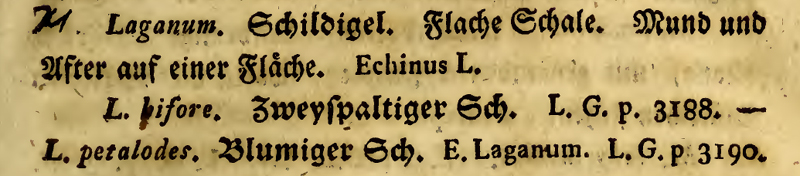
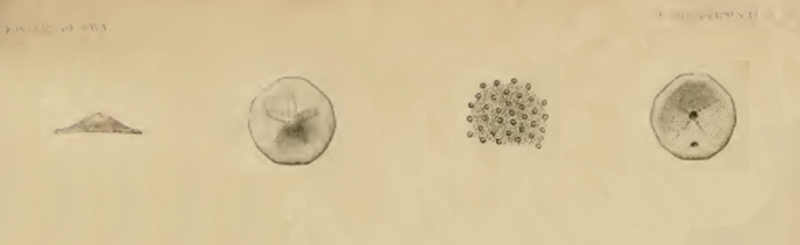
,%20apical,%20Miocene,%20Solo%20river,%20Central%20Java,%2041mm.jpg)
,%20oral,%20Miocene,%20Solo%20river,%20Central%20Java,%2036mm.jpg)
,%20apical,%20Tainan,%20Taiwan,%20Pliocène,%2039%20mm.jpg)
,%20amb,%20Tainan,%20Taiwan,%20Pliocène,%2039%20mm.JPG)
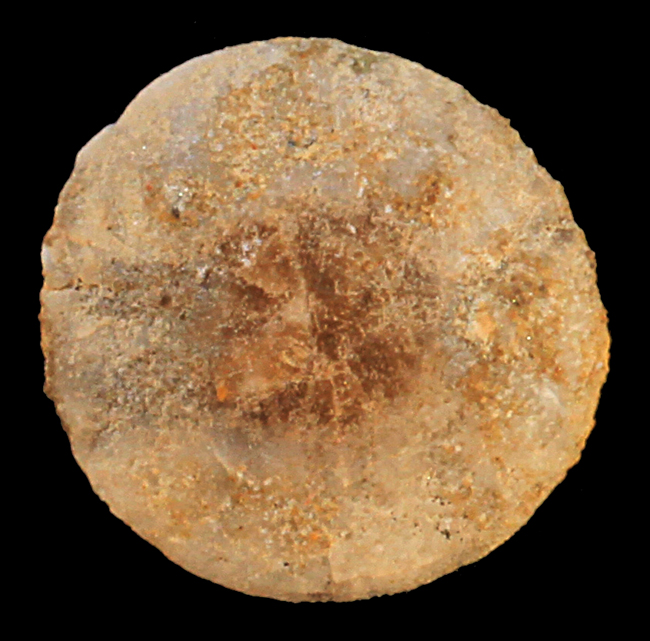
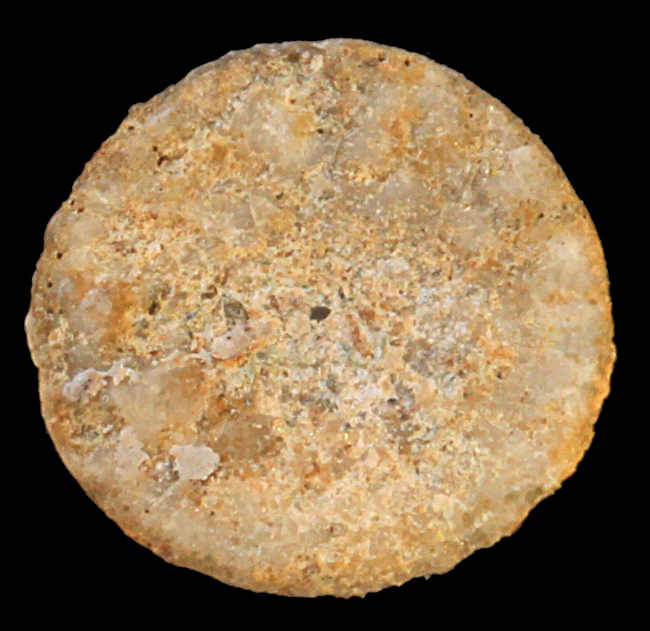


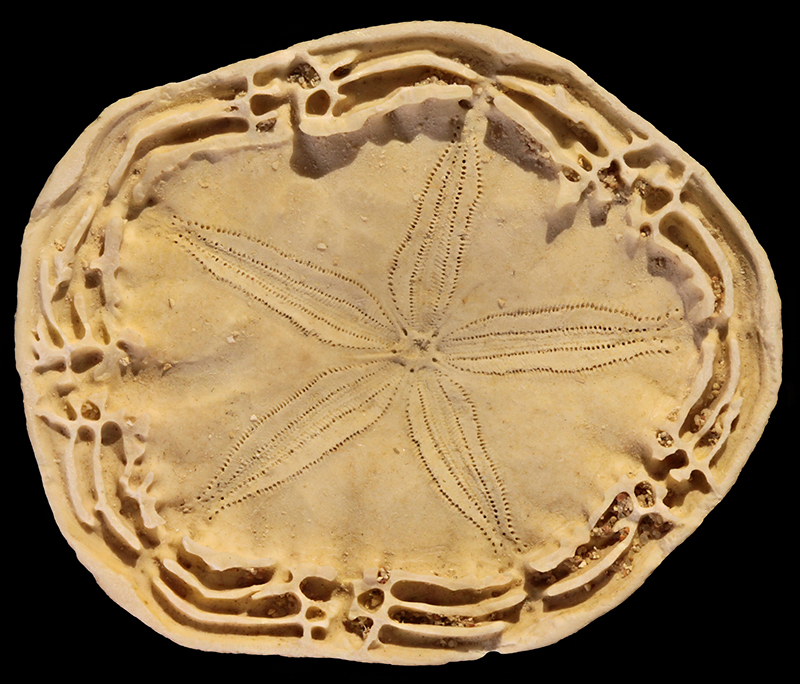
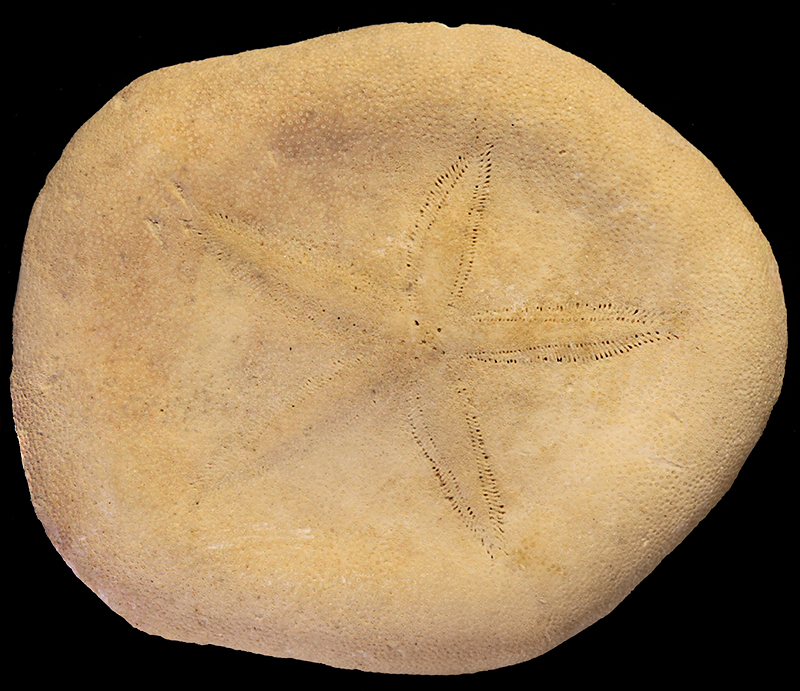
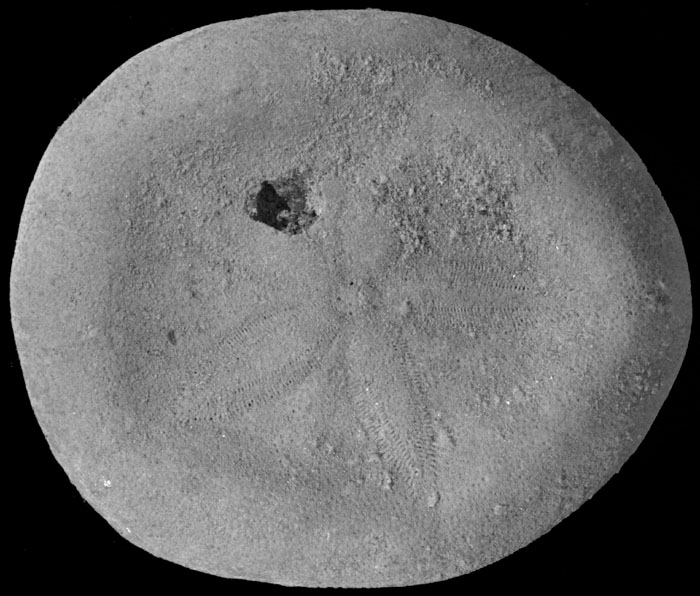
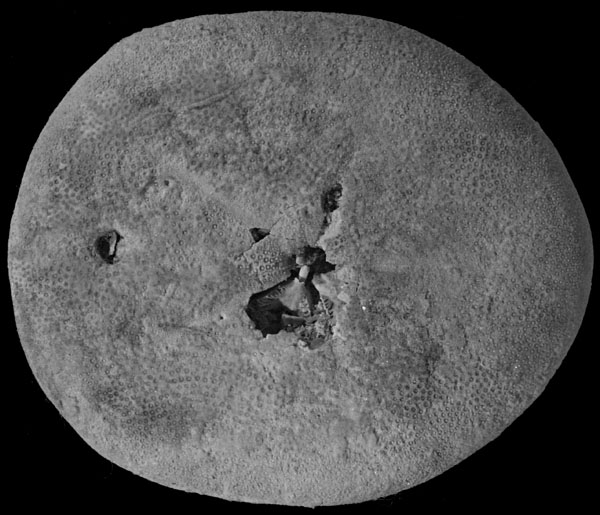

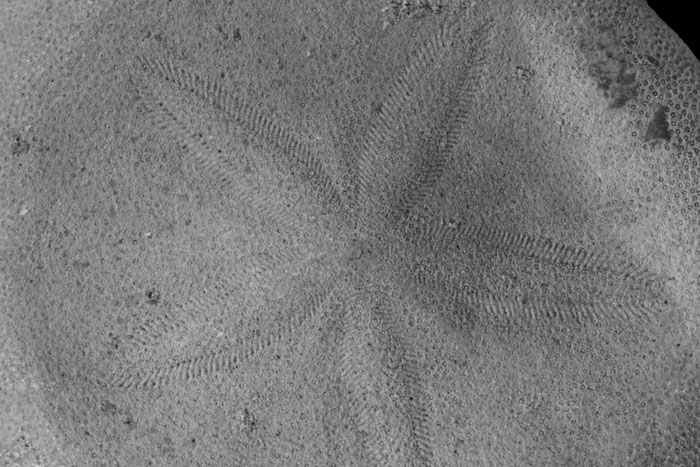

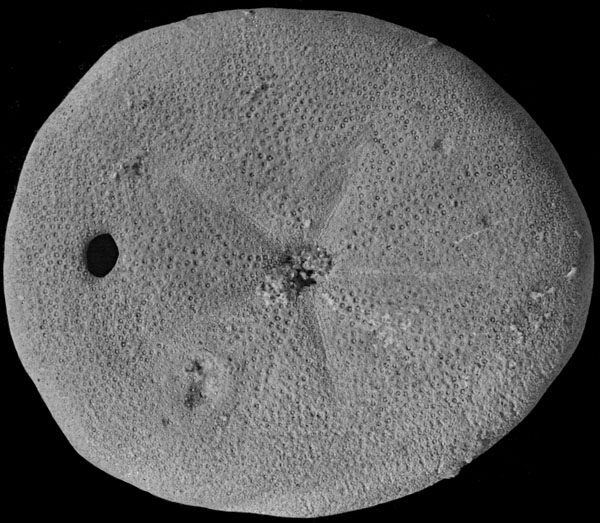
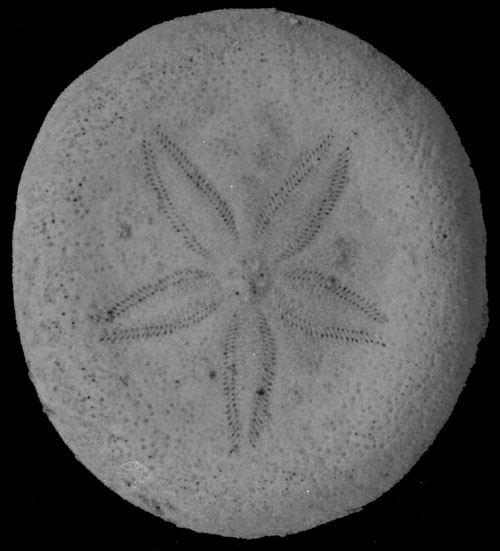
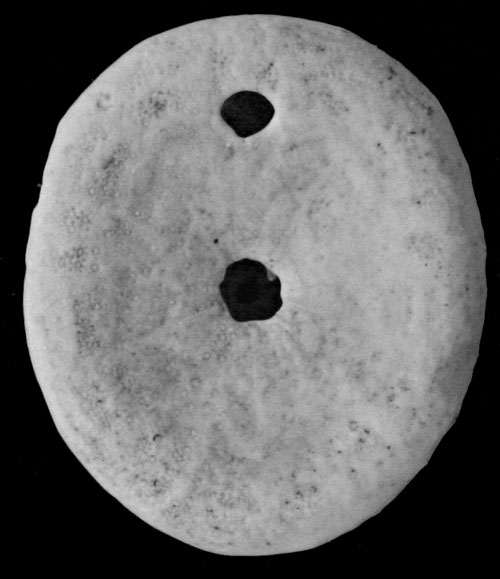
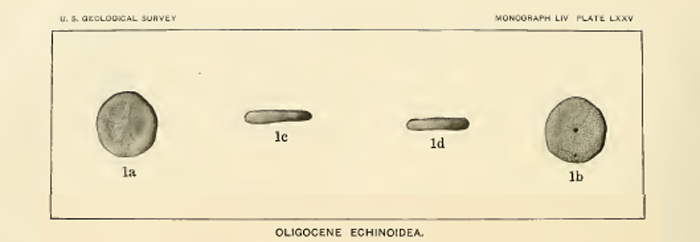

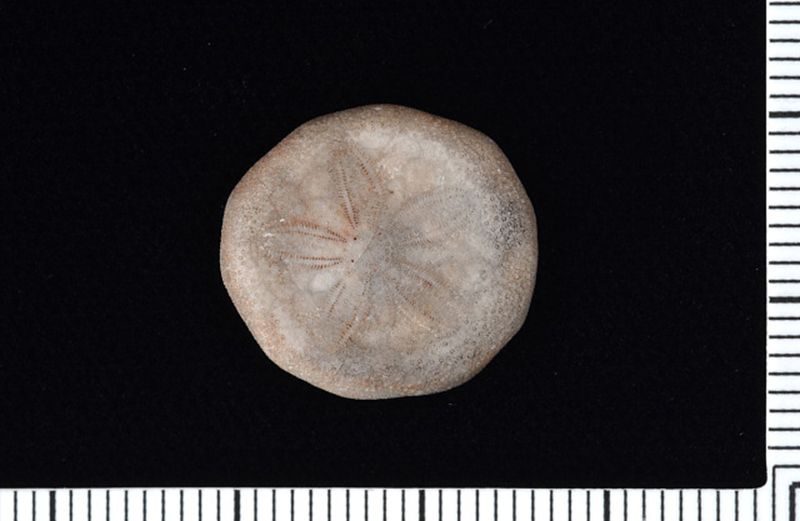
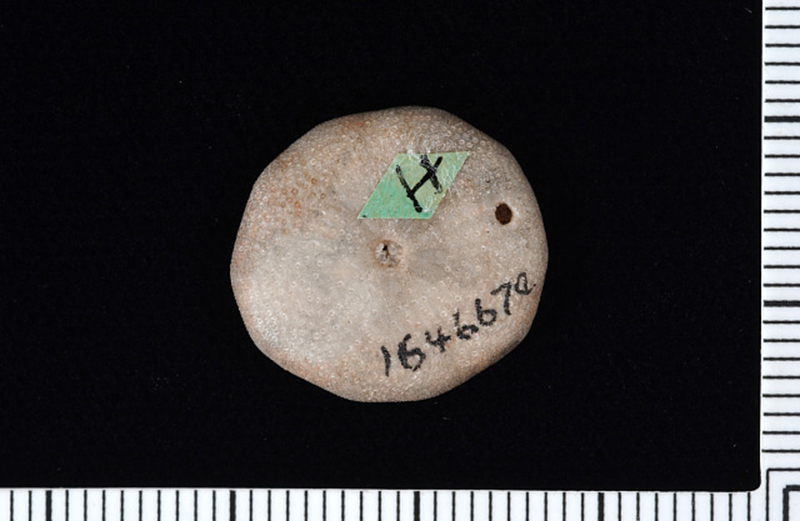


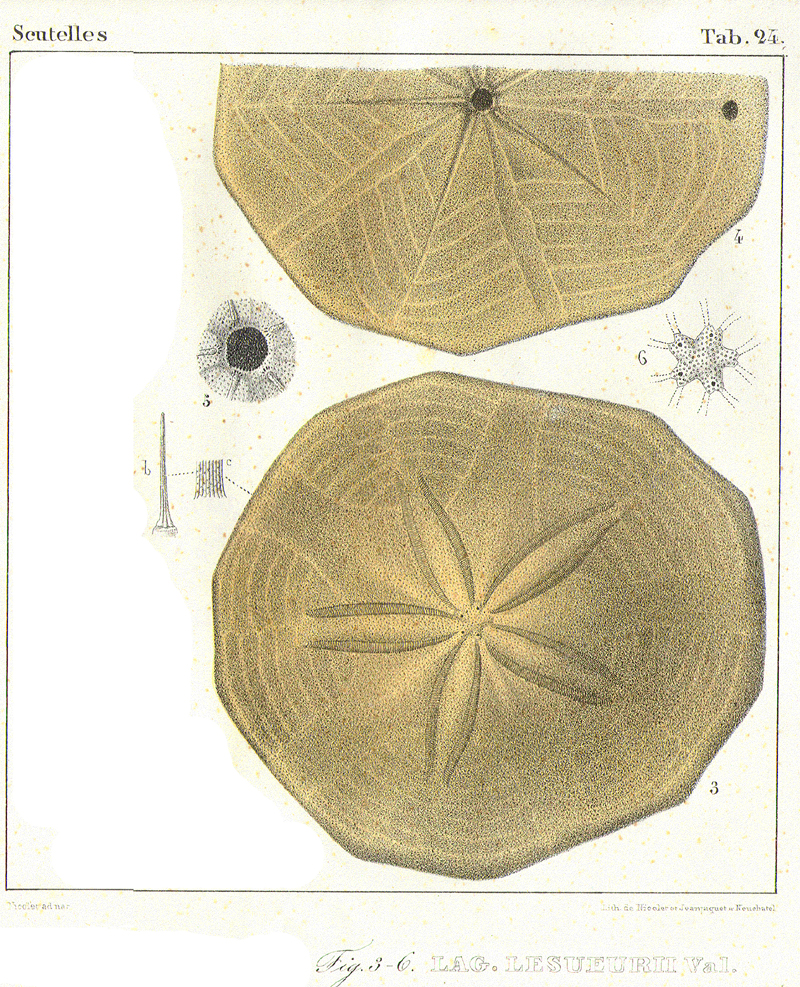
,%20apical,%20Mid-West%20district,%20région%20de%20Leeman,%20Western%20australia,%20Pléistocène%20supérieur,%20117%20mm.JPG)
,%20ambital,%20Mid-West%20district,%20région%20de%20Leeman,%20Western%20australia,%20Pléistocène%20supérieur,%20117%20mm.JPG)
,%20oral,%20Mid-West%20district,%20région%20de%20Leeman,%20Western%20australia,%20Pléistocène%20supérieur,%20117%20mm.JPG)
,%20apical,%20Mid-West%20district,%20région%20de%20Leeman,%20Western%20Australia,%20Pléistocène,%2087%20mm.JPG)
,%20detapical,%20Mid-West%20district,%20région%20de%20Leeman,%20Western%20Australia,%20Pléistocène,%2087%20mm.JPG)
,%20ambital,%20Mid-West%20district,%20région%20de%20Leeman,%20Western%20Australia,%20Pléistocène,%2087%20mm.jpg)
,%20oral,%20Mid-West%20district,%20région%20de%20Leeman,%20Western%20Australia,%20Pléistocène,%2087%20mm.JPG)
,%20apical,%20Outback%20district,%20Western%20Australia,%20Bilbra%20formation,%20Pléistocène%20supérieur,%2020%20mm.jpg)
,%20ambital,%20Outback%20district,%20Western%20Australia,%20Bilbra%20formation,%20Pléistocène%20supérieur,%2020%20mm.JPG)
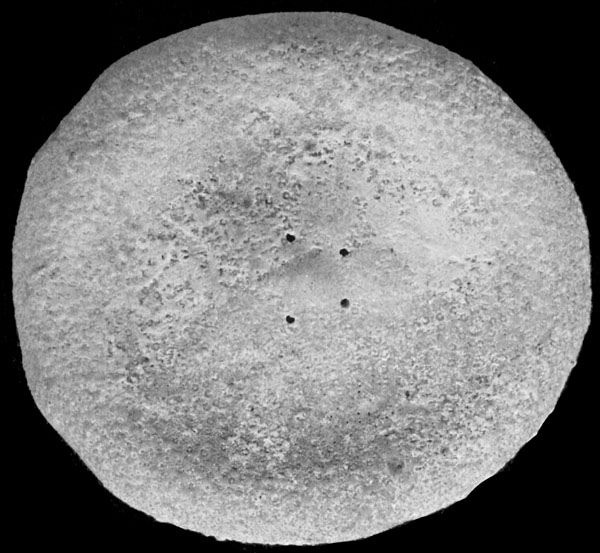
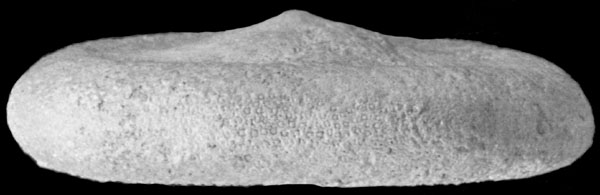
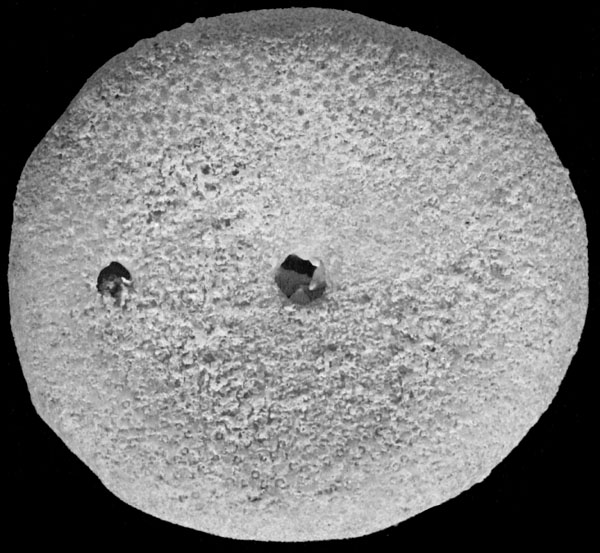
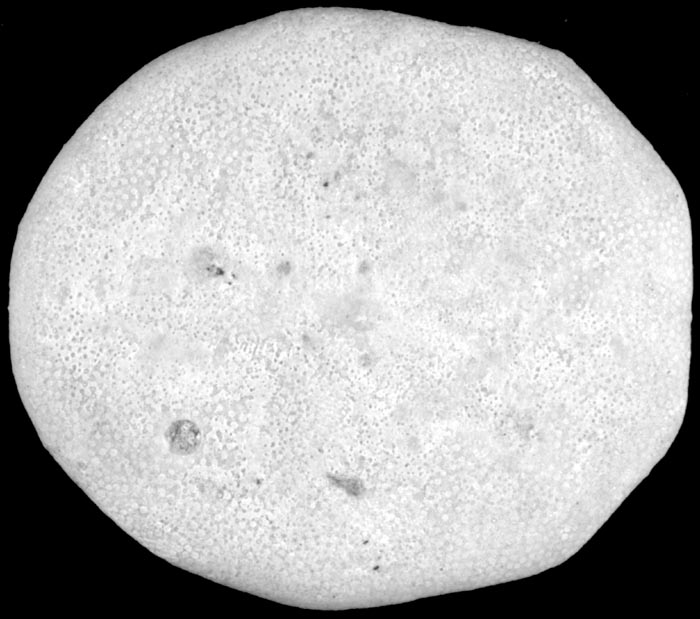
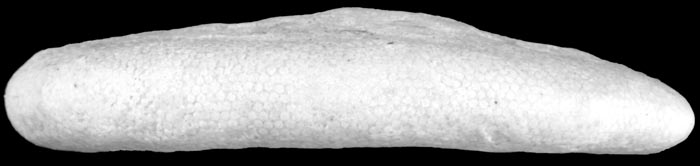
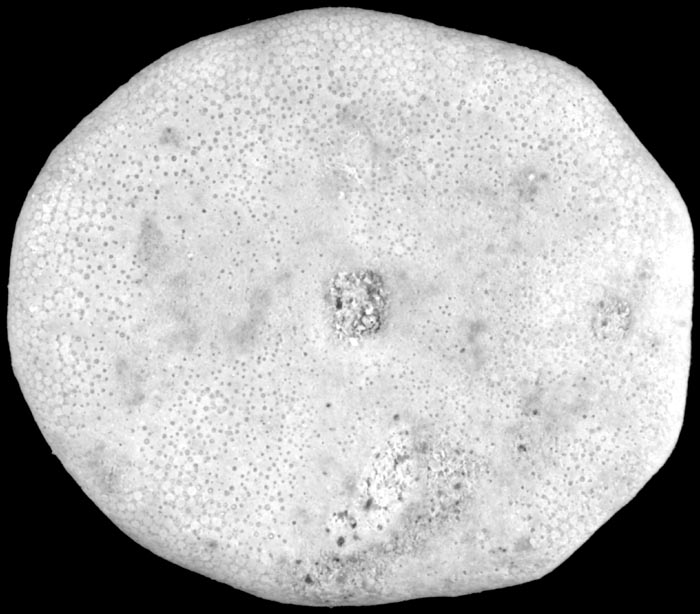

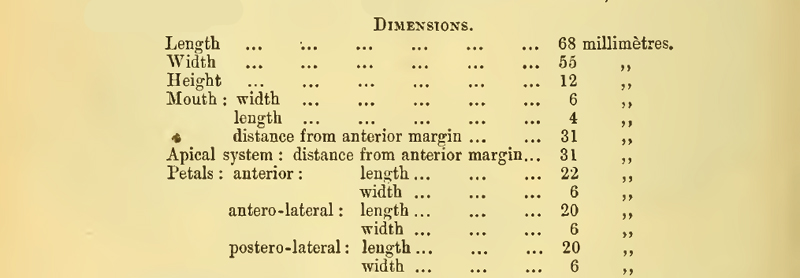
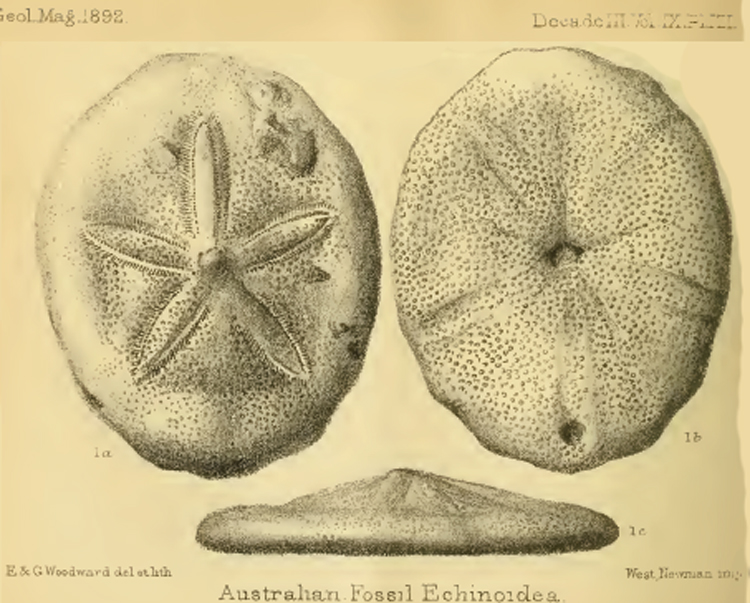
,%20apical,%20Shark%20bay%20district,%20Western%20Australia,%20gladstone%20member,%20Pléistocène%20moyen,%2065%20mm.jpg)
,%20amb,%20Shark%20bay%20district,%20Western%20Australia,%20gladstone%20member,%20Pléistocène%20moyen,%2065%20mm.JPG)
,%20oral,%20Shark%20bay%20district,%20Western%20Australia,%20gladstone%20member,%20Pléistocène%20moyen,%2065%20mm.JPG)
,%20apical,%20Pleistocene%20moyen,%20Carbia%20oolite,%20Shark%20Bay,%20West%20Australia,%2053%20mm.JPG)
,%20ambital,%20Pleistocene%20moyen,%20Carbia%20oolite,%20Shark%20Bay,%20West%20Australia,%2053%20mm.JPG)
,%20oral,%20Pleistocene%20moyen,%20Carbia%20oolite,%20Shark%20Bay,%20West%20Australia,%2053%20mm.JPG)

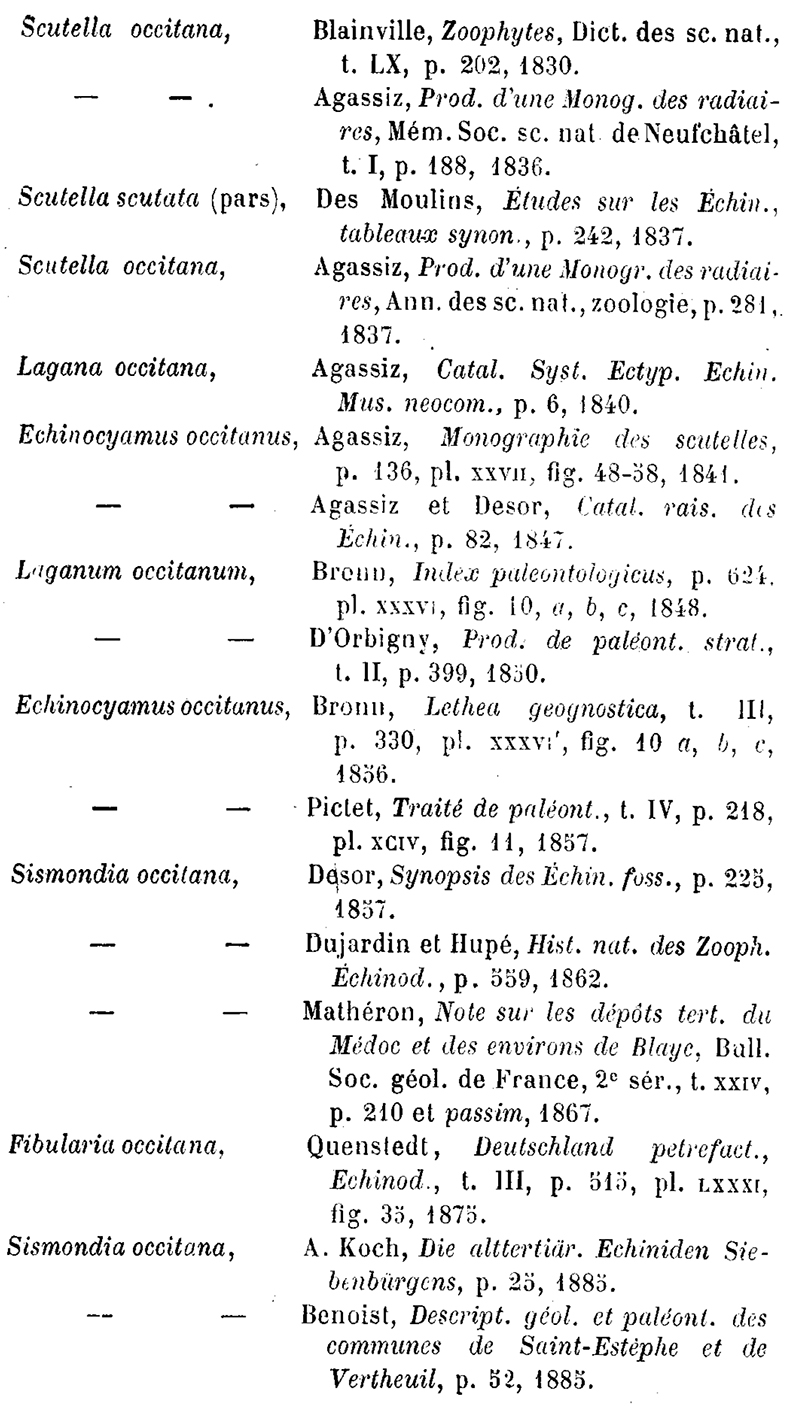
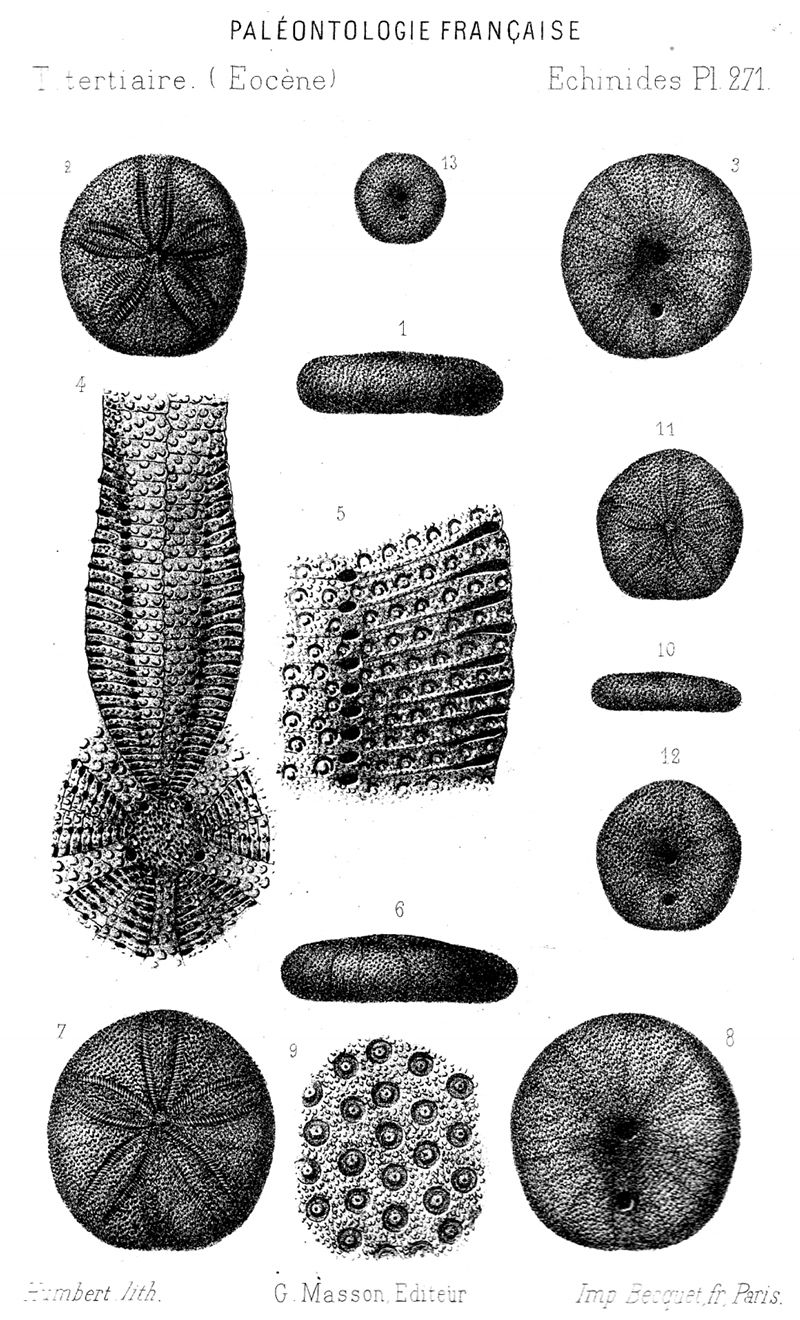
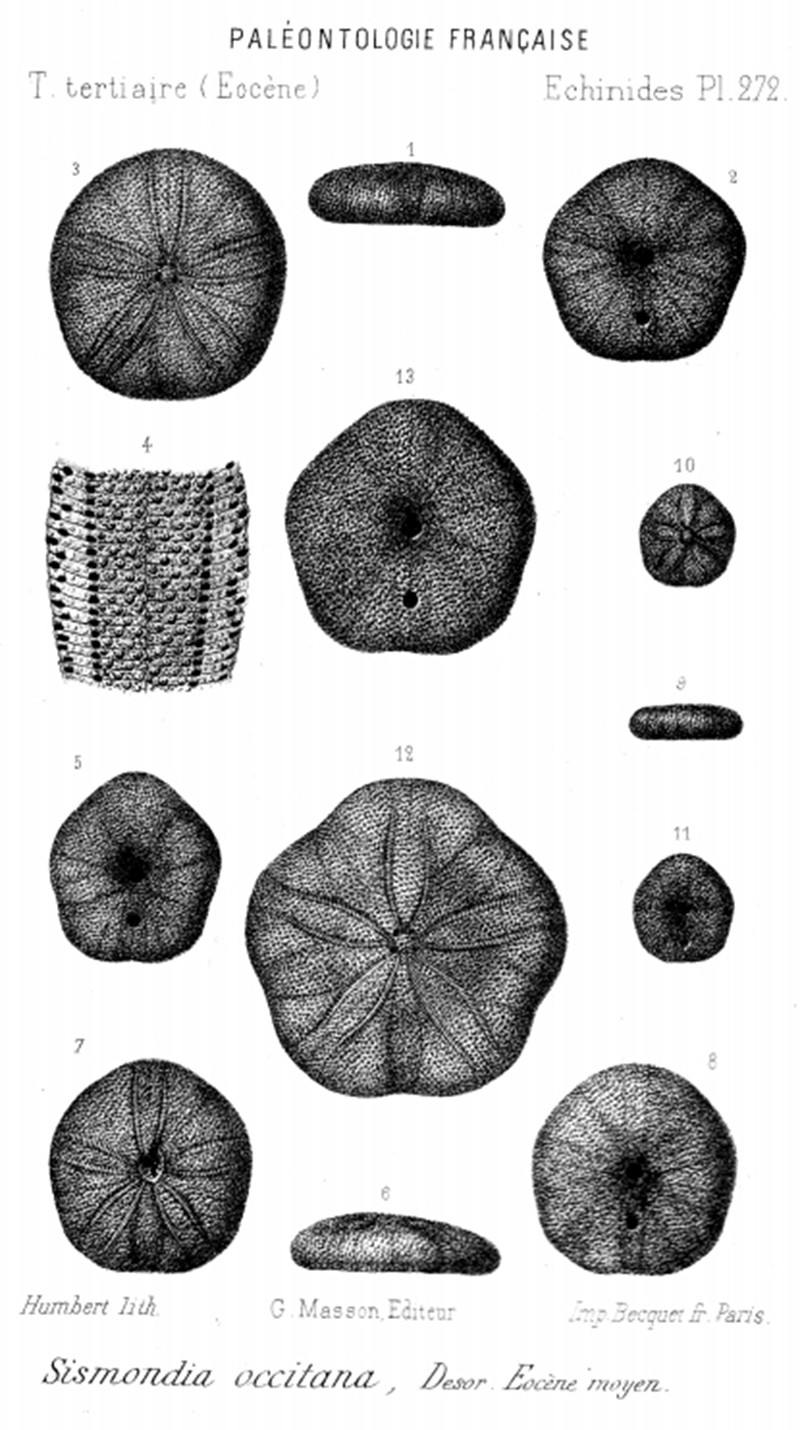
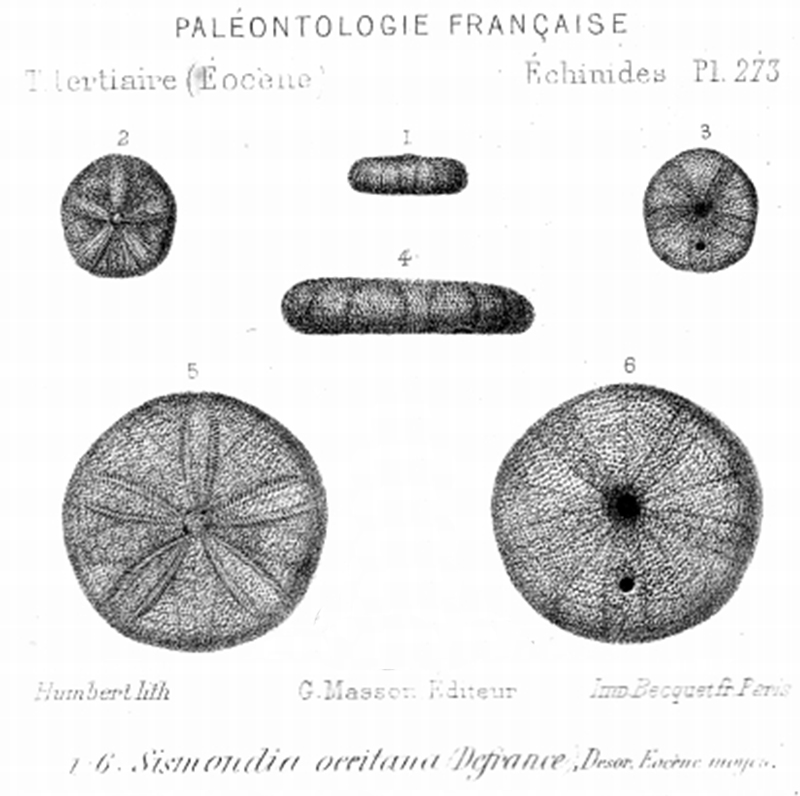
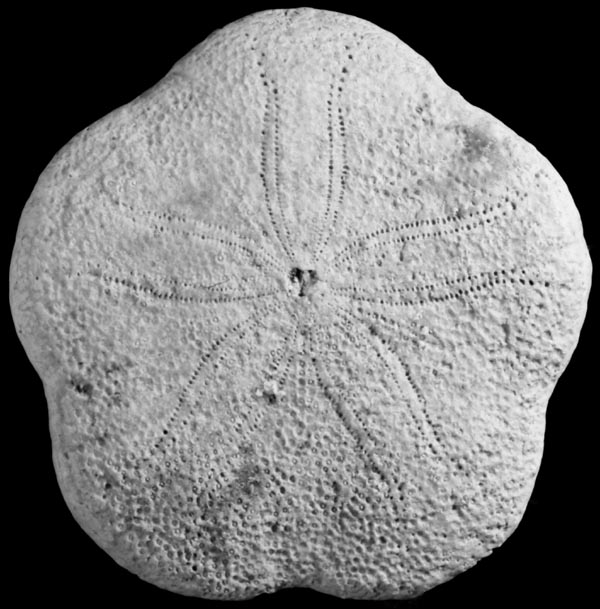
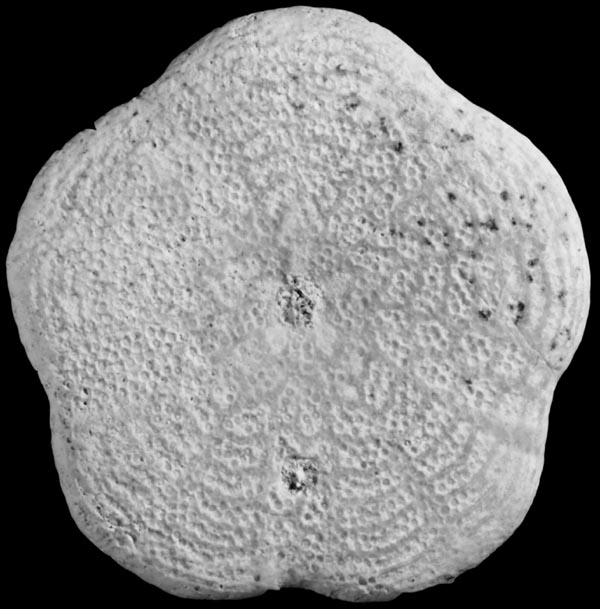
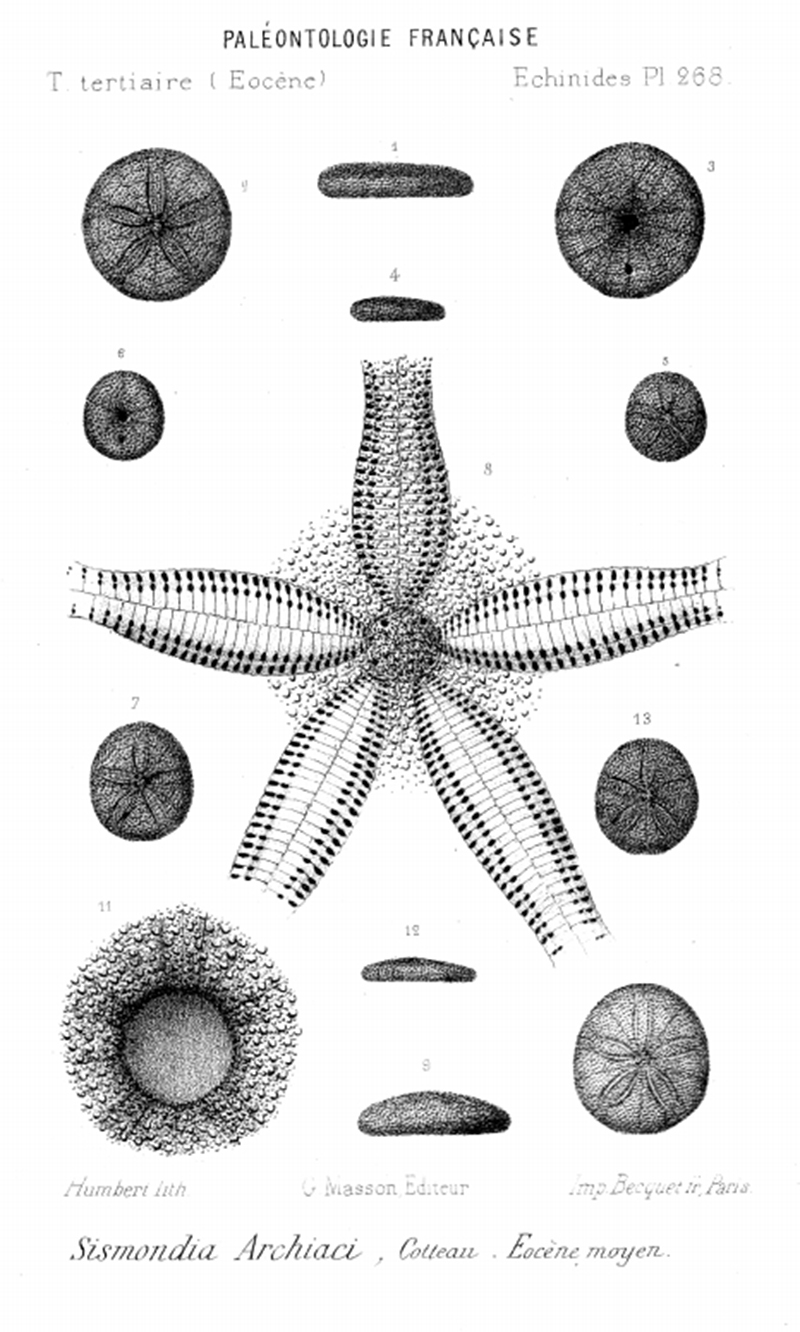


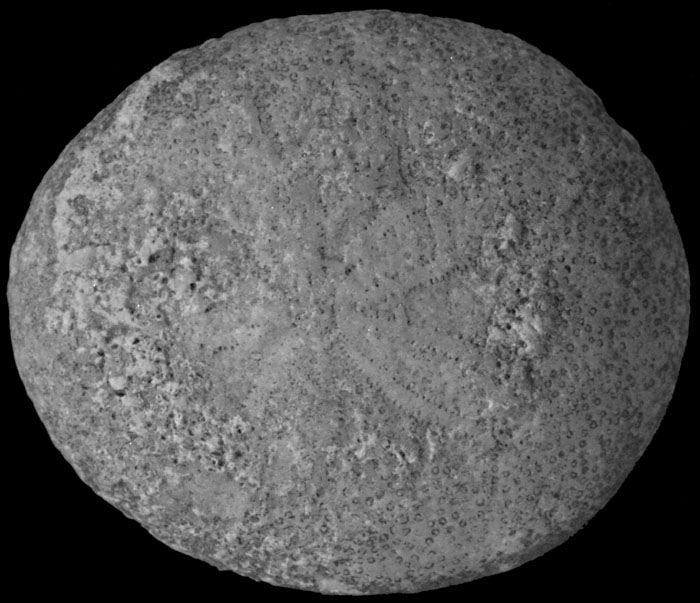
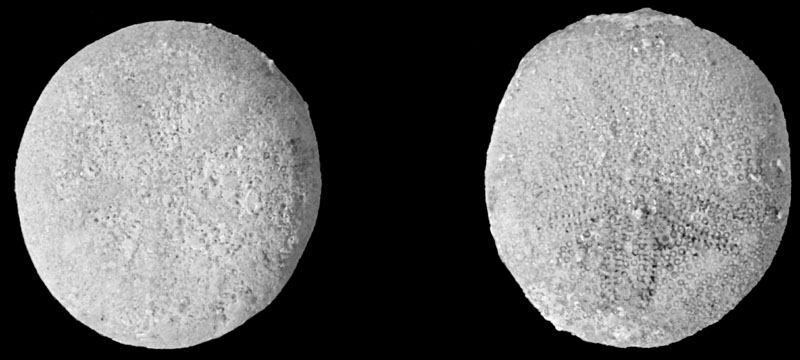
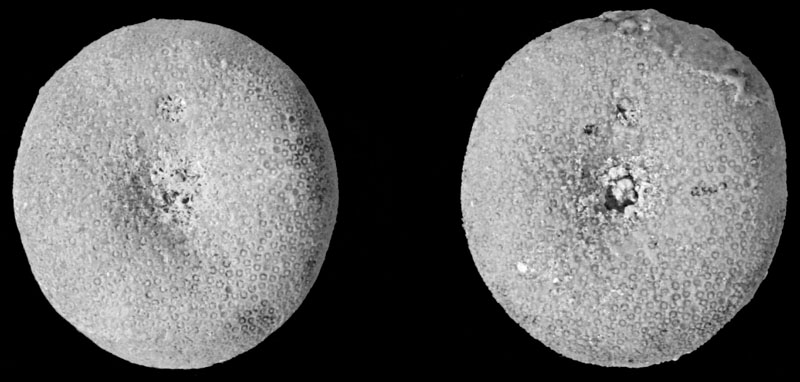
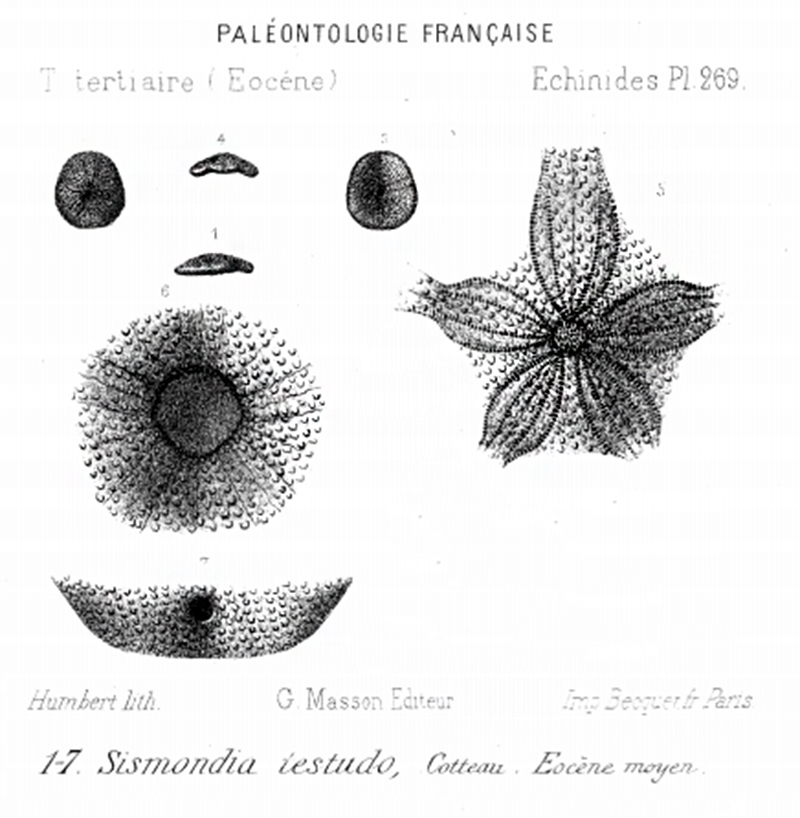
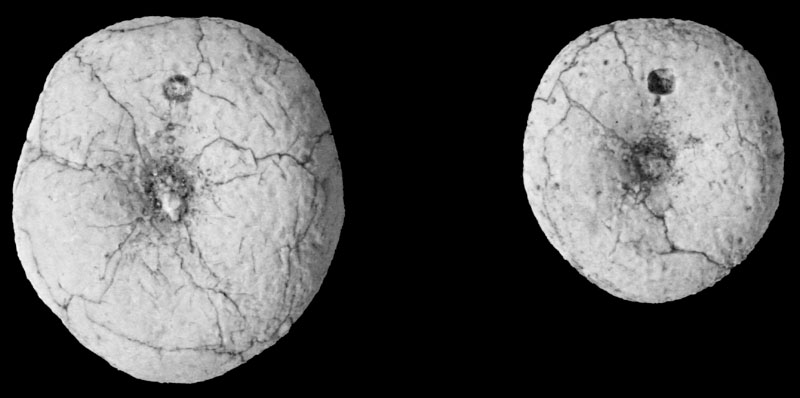

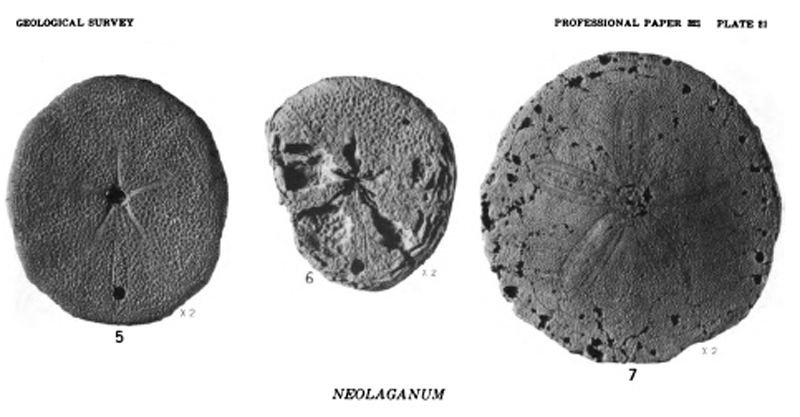

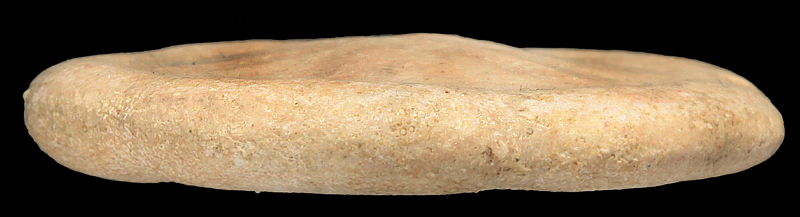
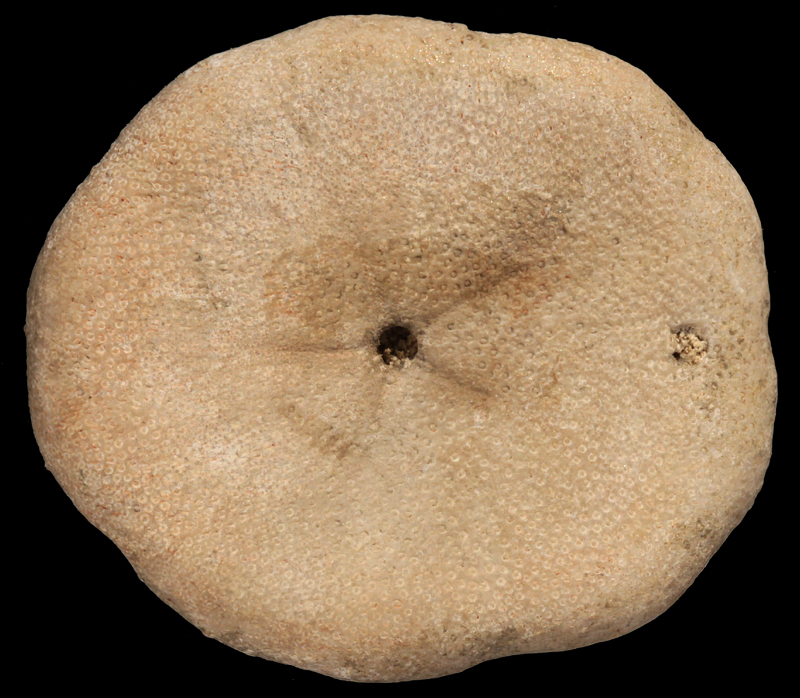
,%20apical,%20chiapas,%20Mexique,%20Eocène%20supérieur,%2036%20mm.JPG)
,%20ambital,%20chiapas,%20Mexique,%20Eocène%20supérieur,%2036%20mm.JPG)
,%20oral,%20chiapas,%20Mexique,%20Eocène%20supérieur,%2036%20mm.JPG)
,%20apical,%20N%20tuxtla%20Gutierres,%20chiapas,%20Mexique,%20Eocène,%2041%20mm.JPG)
,%20ambital,%20N%20tuxtla%20Gutierres,%20chiapas,%20Mexique,%20Eocène,%2041%20mm.jpg)
,%20oral,%20N%20tuxtla%20Gutierres,%20chiapas,%20Mexique,%20Eocène,%2041%20mm.jpg)
,%20apical,%20chiapas,%20Mexique,%20Coniacien,%2039%20mm.jpg)
,%20ambital,%20chiapas,%20Mexique,%20Coniacien,%2039%20mm.JPG)
,%20oral,%20chiapas,%20Mexique,%20Coniacien,%2039%20mm.JPG)
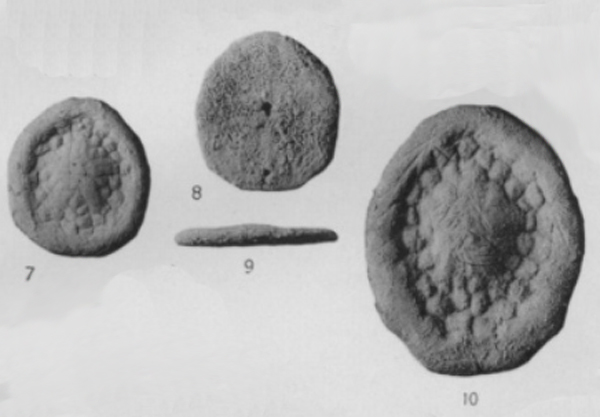
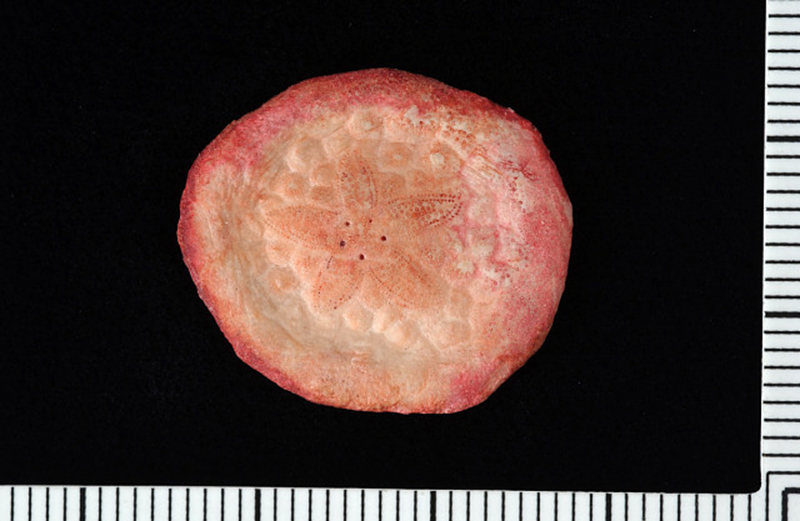
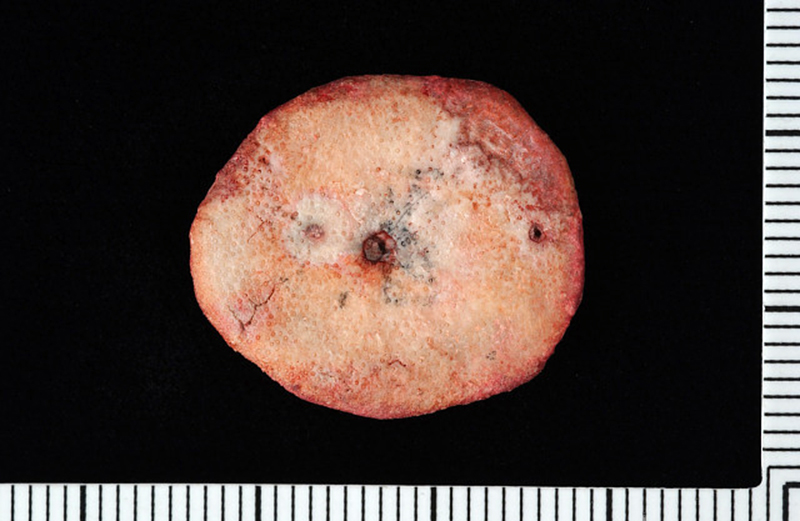
,%20apical,%20Eocene,%20Ocala%20limestone,%20Lafayette%20county,%20Floride,%20USA,%2020%20mm.JPG)
,%20ambital,%20Eocene,%20Ocala%20limestone,%20Lafayette%20county,%20Floride,%20USA,%2020%20mm.JPG)
,%20oral,%20Eocene,%20Ocala%20limestone,%20Lafayette%20county,%20Floride,%20USA,%2020%20mm.jpg)
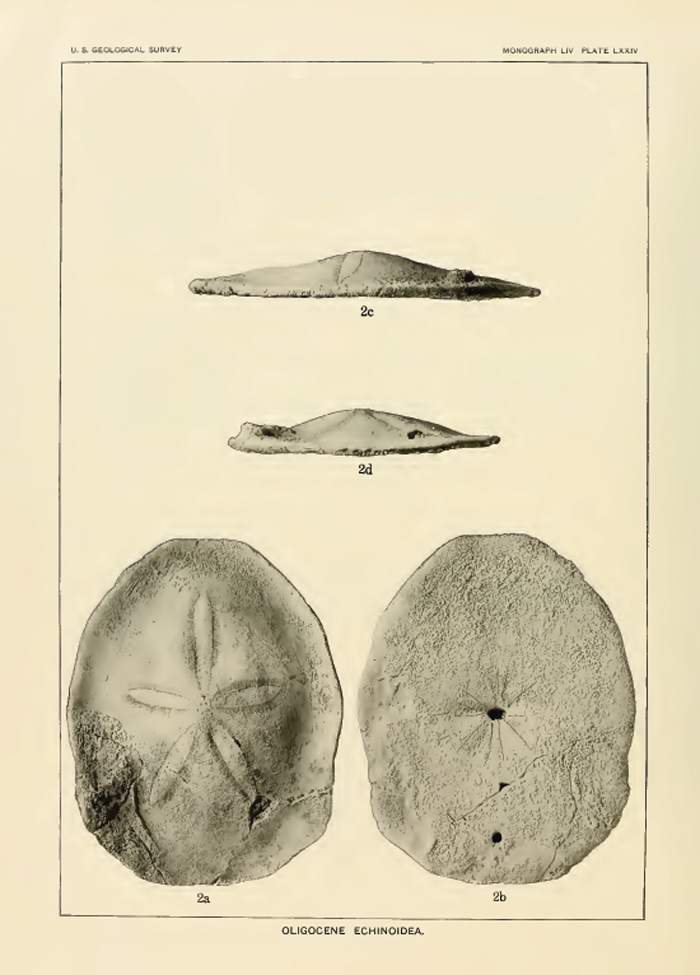
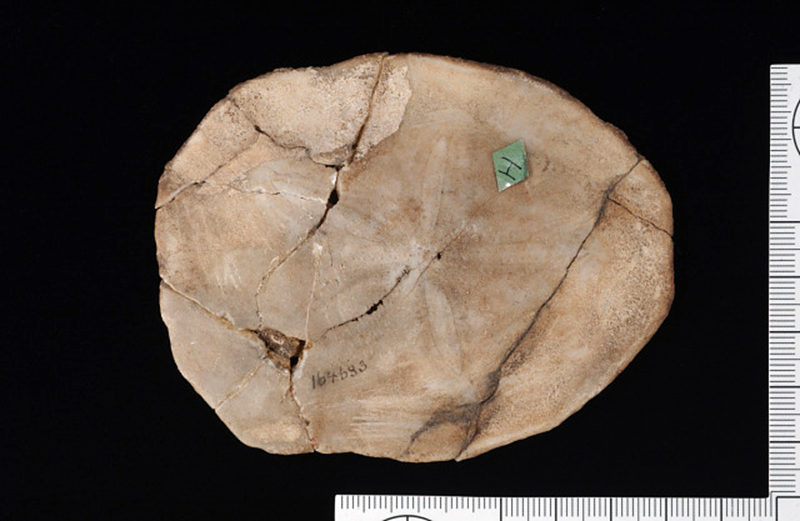
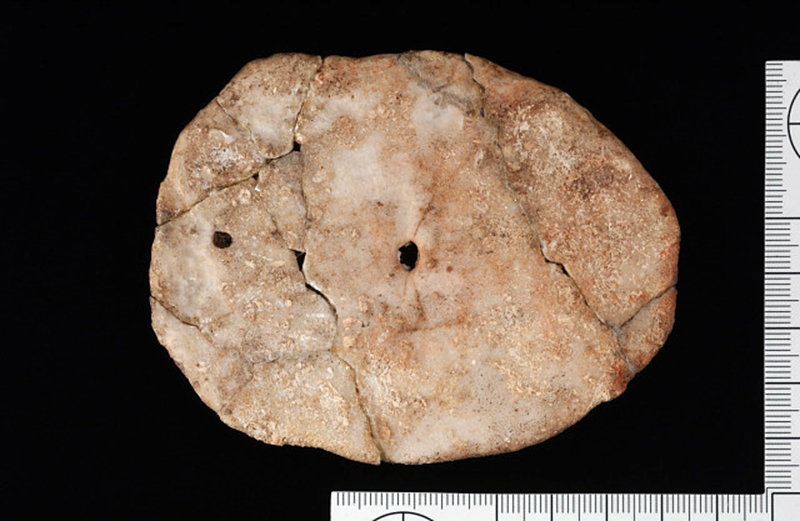
,%20apical,%20Eocène%20superieur,%20Ocala%20lmst,%20Yankee%20Town,%20florida,%20USA,%2013,%2013,%2012%20mm.JPG)
,%20oral,%20Eocène%20superieur,%20Ocala%20lmst,%20Yankee%20Town,%20florida,%20USA,%2013,%2013,%2012%20mm.JPG)
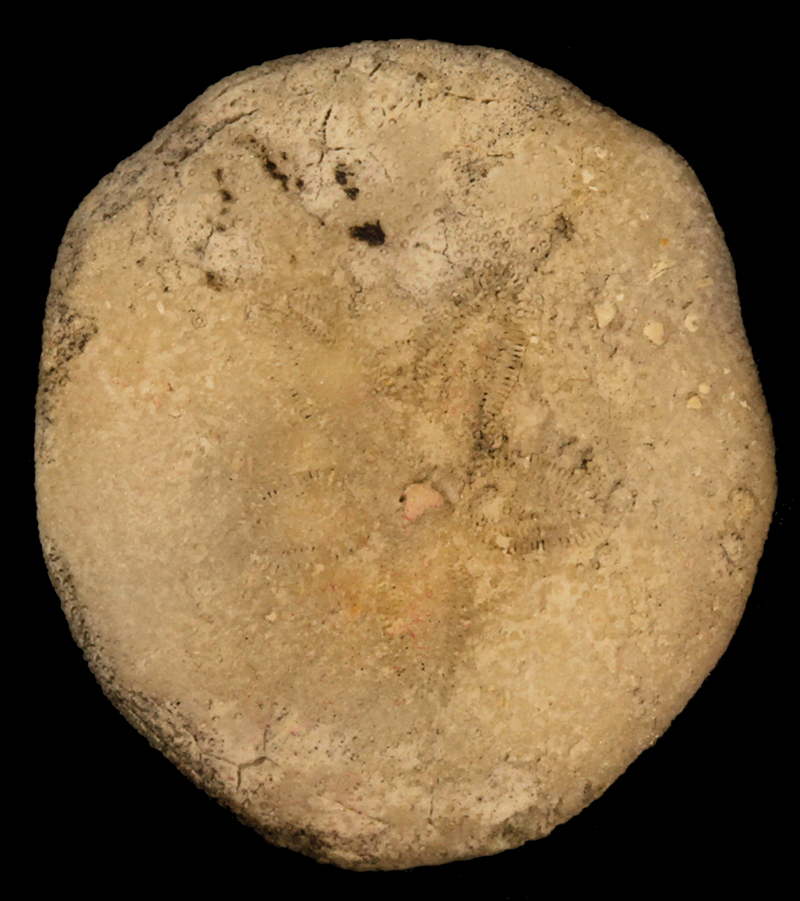
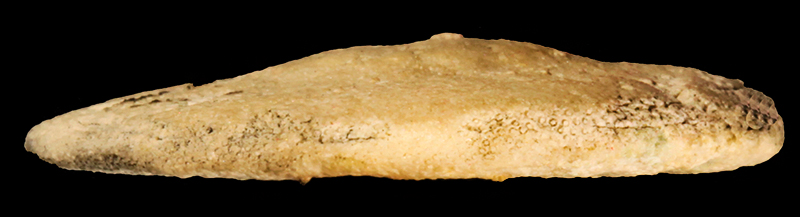
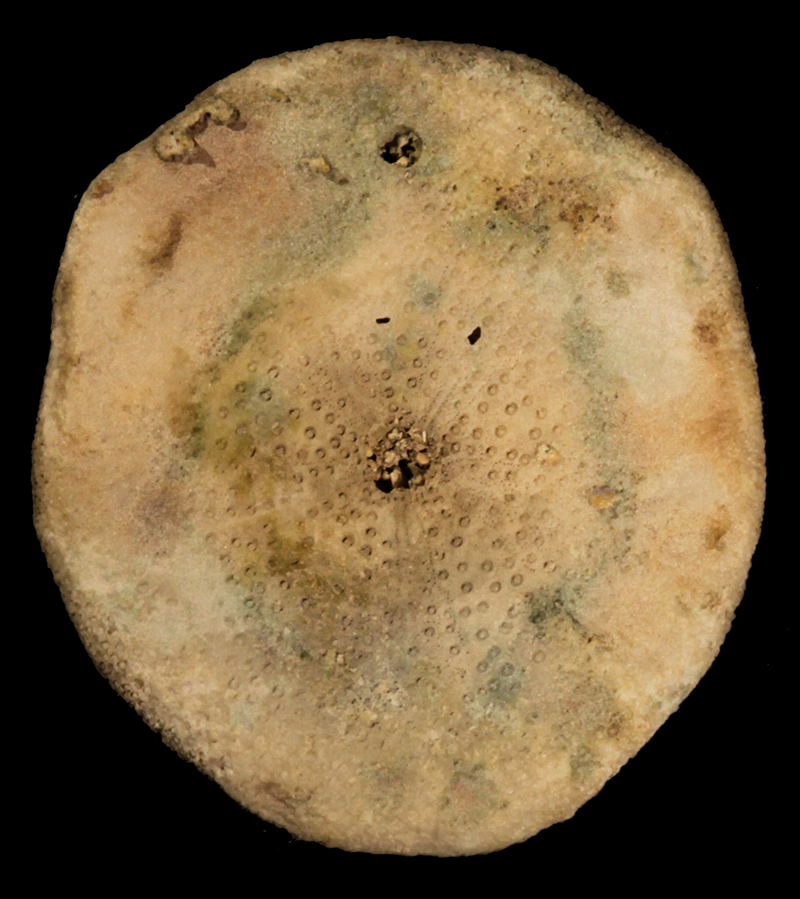
,%20apical,%20Eocene%20superieur,%20Mills%20Mine,%20Hernando%20Cty,%20Floride,%20USA,%2032%20mm.JPG)
,%20ambital,%20Eocene%20superieur,%20Mills%20Mine,%20Hernando%20Cty,%20Floride,%20USA,%2032%20mm.JPG)
,%20oral,%20Eocene%20superieur,%20Mills%20Mine,%20Hernando%20Cty,%20Floride,%20USA,%2032%20mm.jpg)
,%20apical,%20Eocene%20superieur,%20Floride,%2042mm.JPG)
,%20detapical,%20Eocene%20superieur,%20Floride,%2042mm.JPG)
,%20ambital,%20Eocene%20superieur,%20Floride,%2042mm.JPG)
,%20oral,%20Eocene%20superieur,%20Floride,%2042mm.JPG)
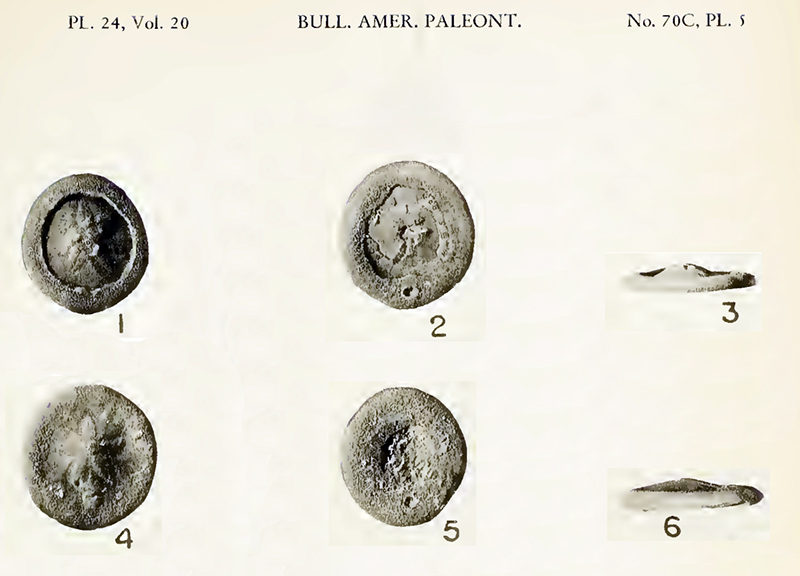
,%20apical,%20Eocene%20superieur,%20Crystal%20River,%20Citrus%20Cty,%20Floride,%20USA,%2032%20mm-2.JPG)
,%20ambital,%20Eocene%20superieur,%20Crystal%20River,%20Citrus%20Cty,%20Floride,%20USA,%2032%20mm-2.JPG)
,%20oral,%20Eocene%20superieur,%20Crystal%20River,%20Citrus%20Cty,%20Floride,%20USA,%2032%20mm.JPG)
,%20apical,%20Eocene%20superieur,%20Hernanco%20cty,%20Floride,%2043mm.JPG)
,%20ambital,%20Eocene%20superieur,%20Hernanco%20cty,%20Floride,%2043mm.JPG)
,%20post,%20Eocene%20superieur,%20Hernanco%20cty,%20Floride,%2043mm.JPG)
,%20oral,%20Eocene%20superieur,%20Hernanco%20cty,%20Floride,%2043mm.JPG)
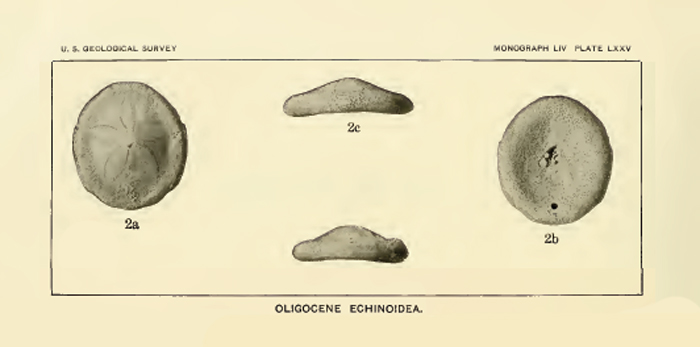
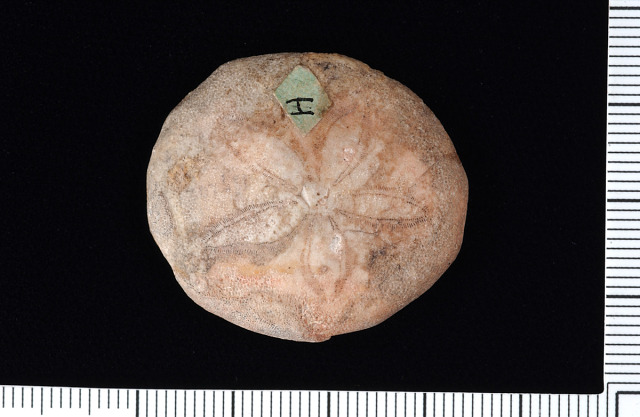
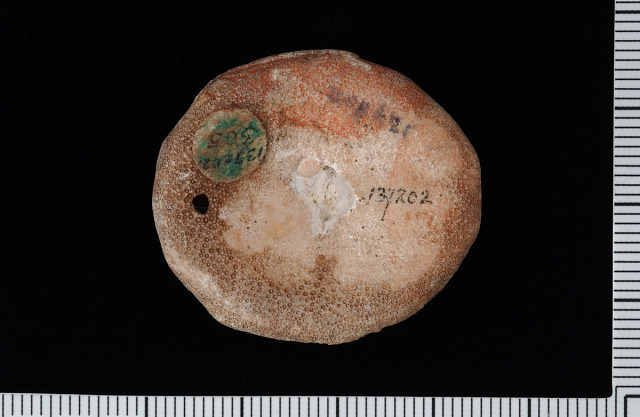
,%20apical,%20Eocene%20superieur,%20Jackson%20County,%20Floride,%20USA,%2013%20mm.JPG)
,%20oral,%20Eocene%20superieur,%20Jackson%20County,%20Floride,%20USA,%2013%20mm.JPG)
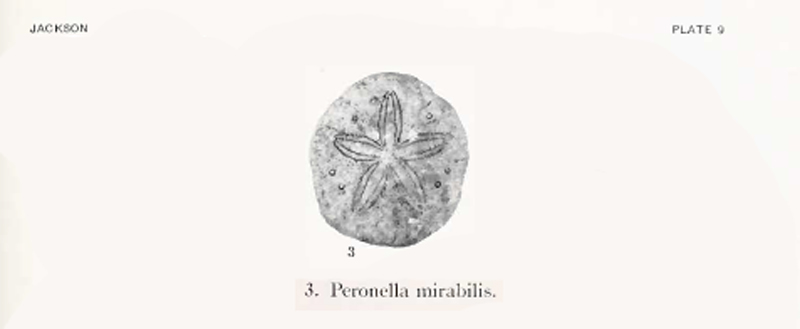
,%20apical,%20Chiapas,%20Mexique,%20Eocène%20supérieur,%2039%20mm.JPG)
,%20ambital,%20Chiapas,%20Mexique,%20Eocène%20supérieur,%2039%20mm.JPG)
,%20oral,%20Chiapas,%20Mexique,%20Eocène%20supérieur,%2039%20mm.jpg)